
ALL COUNSELLING SESSIONS ARE CURRENTLY BEING HELD ONLINE ON A TEMPORARY BASIS.
Existing Members Sign In Here >
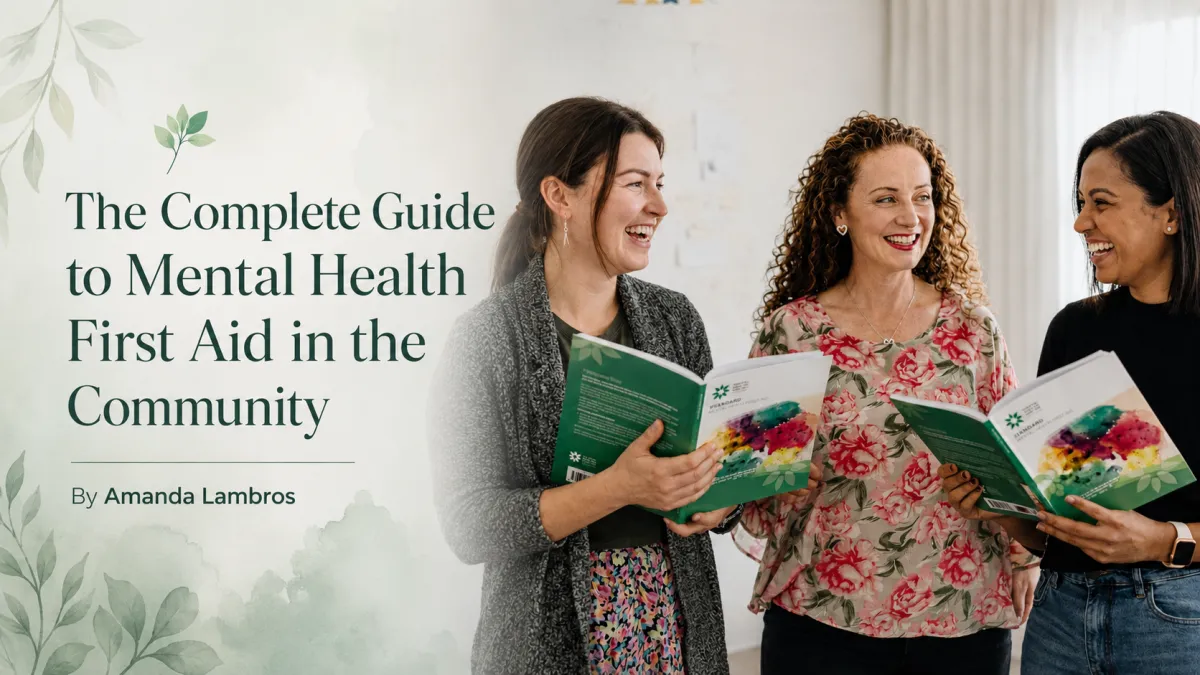
Therapist, Speaker,
Trainer, Author
Hi... I'm Amanda
I'm super excited that you are taking the time to get to know me.
A workplace has HR. It has an Employee Assistance Program. It often has a policy folder somewhere with a plan for exactly this situation.
A neighbour does not. A teammate at the local football club does not. An elderly relative living two suburbs away does not. A friend you have known since school, now going quiet on your texts, does not either.
Most of the people we worry about are not sitting in an office. They are sitting in our communities, our friendship groups, our sporting clubs, our extended families and our neighbourhoods, often with far less structure around them than a workplace would provide.
This guide is about how to show up for them anyway. It covers why community mental health literacy matters, what the evidence says, and a practical action plan you can use with the people in your life, not just the people on your payroll.
You do not need a qualification to care well. You need to know what to say, what to notice, and when to step in.
What Is Mental Health First Aid in the Community?
Mental Health First Aid is the support offered to someone experiencing a mental health problem or crisis, before professional help arrives or until the crisis resolves.
In a community setting, this looks slightly different to a workplace. There is no HR department, no formal policy, no Employee Assistance Program to refer someone to. There is just you, a relationship, and a willingness to notice.
A community Mental Health First Aider might be a parent noticing a change in a friend at school pickup, a teammate noticing a shift in someone at training, a neighbour who has not seen the usual signs of life next door, or an adult child worried about an ageing parent living alone.
The skills are the same ones taught in workplace Mental Health First Aid training. The setting, the relationships and the pathways to support simply look different.
Why Community Mental Health First Aid Matters More Than People Realise
Almost one in five Australians experience a mental illness in any given year. Most of those people are not spending their day being noticed by a trained colleague. Many are moving through their communities largely unseen.
For people in rural and remote Australia, the gap is especially stark. The suicide rate in rural areas is 66 per cent higher than in major cities, and increases further with remoteness (National Rural Health Alliance, ruralhealth.org.au/wp-content/uploads/2024/05/nrha-rural-suicide-factsheet-july2021.pdf). Farmers are twice as likely to die by suicide as the general employed population, and young men living outside major cities face a suicide rate twice as high as their city counterparts.
Access to professional support is a major driver of this gap. Rural areas have roughly 40 per cent of the psychiatrists and 60 per cent of the psychologists available in major cities, meaning diagnosis and treatment often happen later, or not at all (National Rural Health Alliance, ruralhealth.org.au/publication/fact-sheet/mental-health-in-rural-and-remote-australia).
Loneliness compounds the problem everywhere, not only in the regions. Ending Loneliness Together's national research found that nearly one in three Australian adults report feeling lonely, and one in four are persistently lonely, feeling this way for eight weeks or more (Ending Loneliness Together, Social Connection in Australia 2023, endingloneliness.com.au). People with mental health conditions like anxiety and depression are nearly three times more likely to experience persistent loneliness.
When professional services are stretched, distant or simply unavailable in the moment someone needs them, community members are often the first, and sometimes the only, line of support.
The Community Connection Paradox
Australians have never had more ways to stay in touch. Group chats, social media, video calls, an endless scroll of other people's lives.
And yet loneliness remains stubbornly high, in cities and regional areas alike.
This is the community connection paradox. We are more digitally connected than any generation before us, while many people have never had a real, in-person conversation with the people physically closest to them about how they are actually doing.
Digital connection is not the same as felt connection. You can be in a group chat with thirty people and still feel like nobody would notice if you disappeared for a week.
Mental Health First Aid does not solve loneliness by itself. It gives people permission and language to turn a digital "thinking of you" into a genuine, in-person "how are you, really?"
How Our Understanding of Community Mental Health Has Evolved
For a long time, mental health struggles inside a community were treated as strictly private. You did not ask. You did not tell. You minded your own business, even when you were worried.
Campaigns like R U OK? Day have spent years chipping away at that instinct, encouraging Australians to ask the question directly rather than assume someone else will.
Alongside that shift, Mental Health First Aid training has moved from something offered almost exclusively to health professionals to something now taught to parents, sporting clubs, faith groups, community organisations and everyday neighbours.
The message has changed from "leave it to the professionals" to "notice, support and connect", recognising that community members are often best placed to notice a change first, long before any professional is involved.
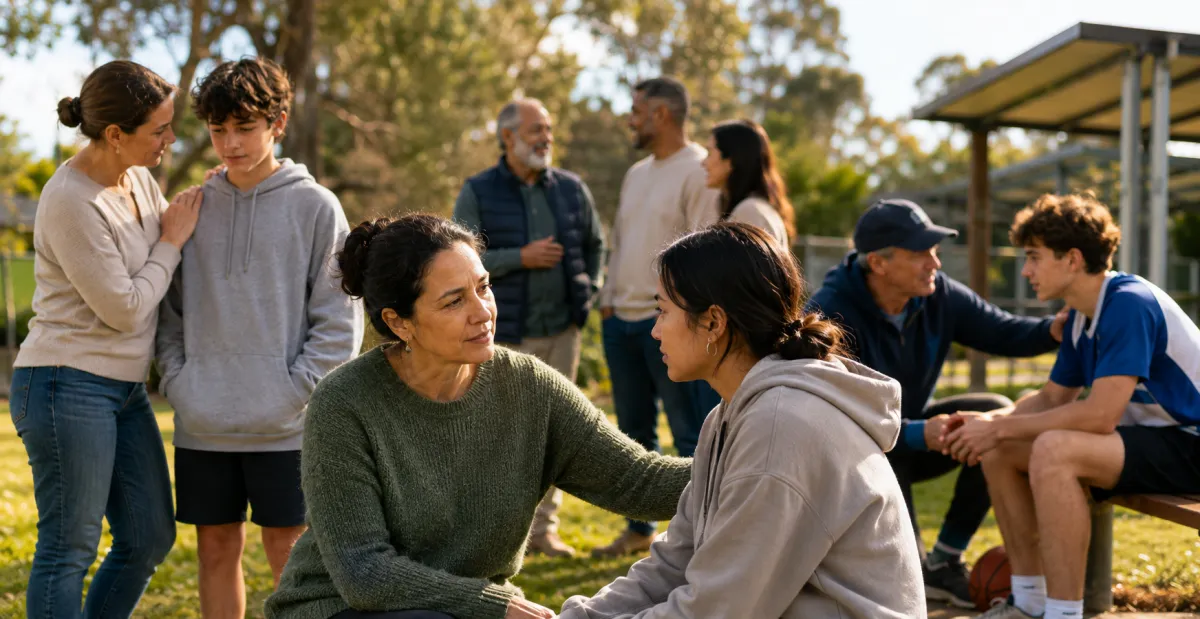
The Biggest Challenges Communities Face With Mental Health
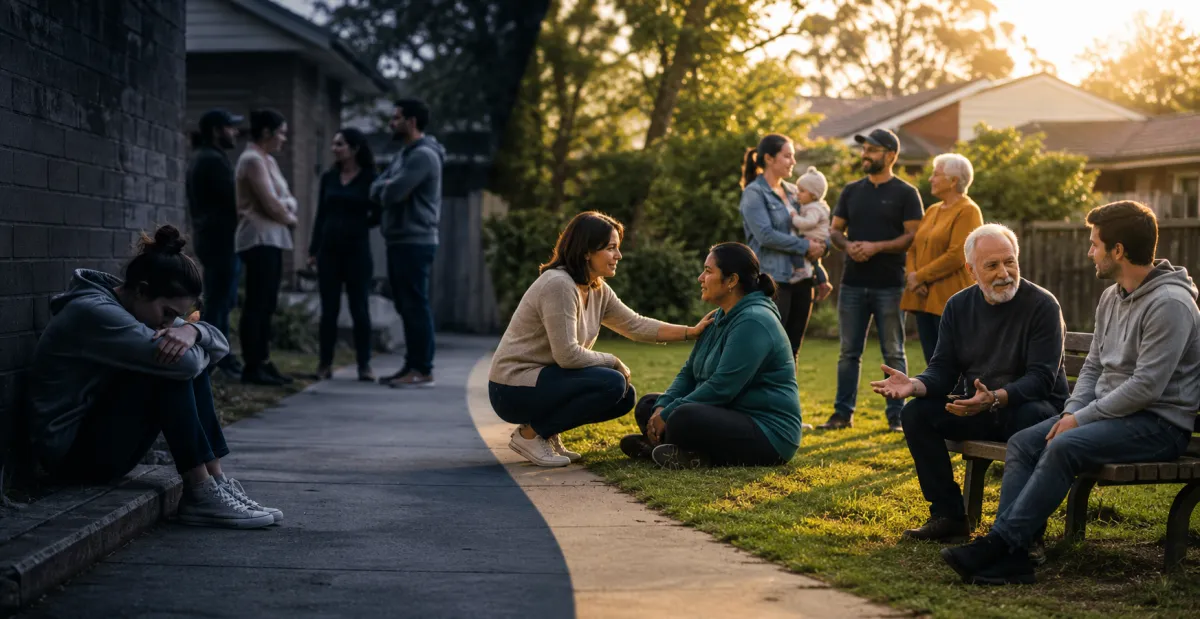
1. Stronger Stigma Outside Formal Settings
Workplaces increasingly have policies pushing mental health conversations into the open. Communities often do not, leaving stigma more entrenched in informal settings.
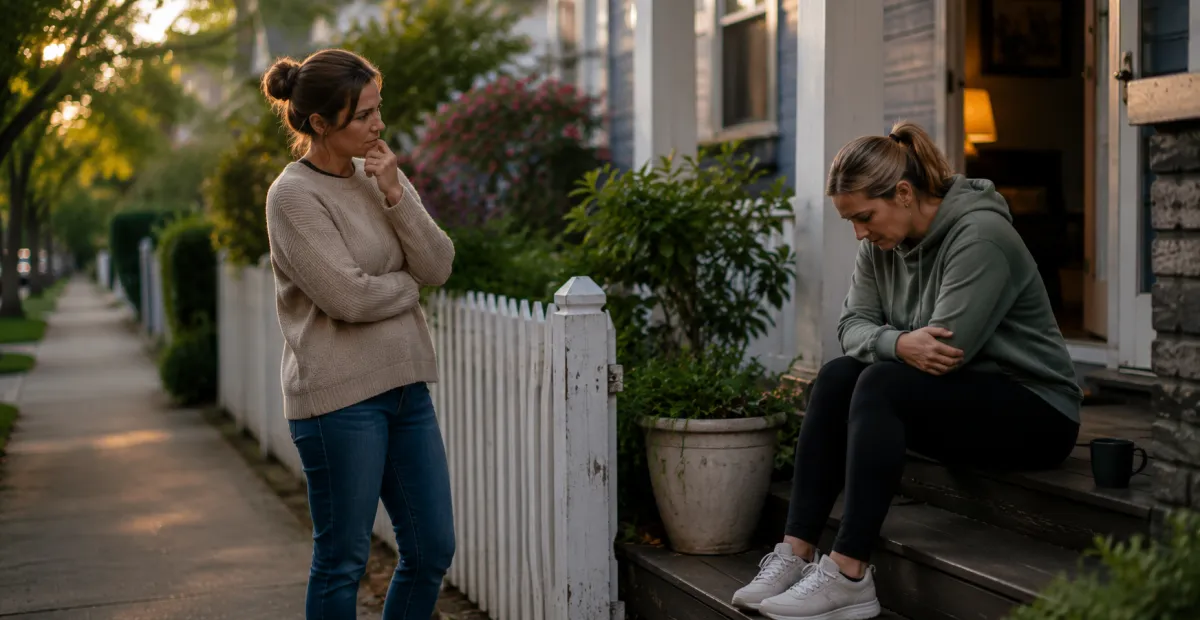
2. The "Not My Place" Hesitation
Many people notice a friend, neighbour or relative struggling but talk themselves out of saying anything, worried it is not their place, or that they will make things worse.

3. Rural and Remote Access Barriers
Even when someone is ready to seek help, the nearest psychologist may be hours away, and telehealth is not always a substitute for in-person, ongoing care.
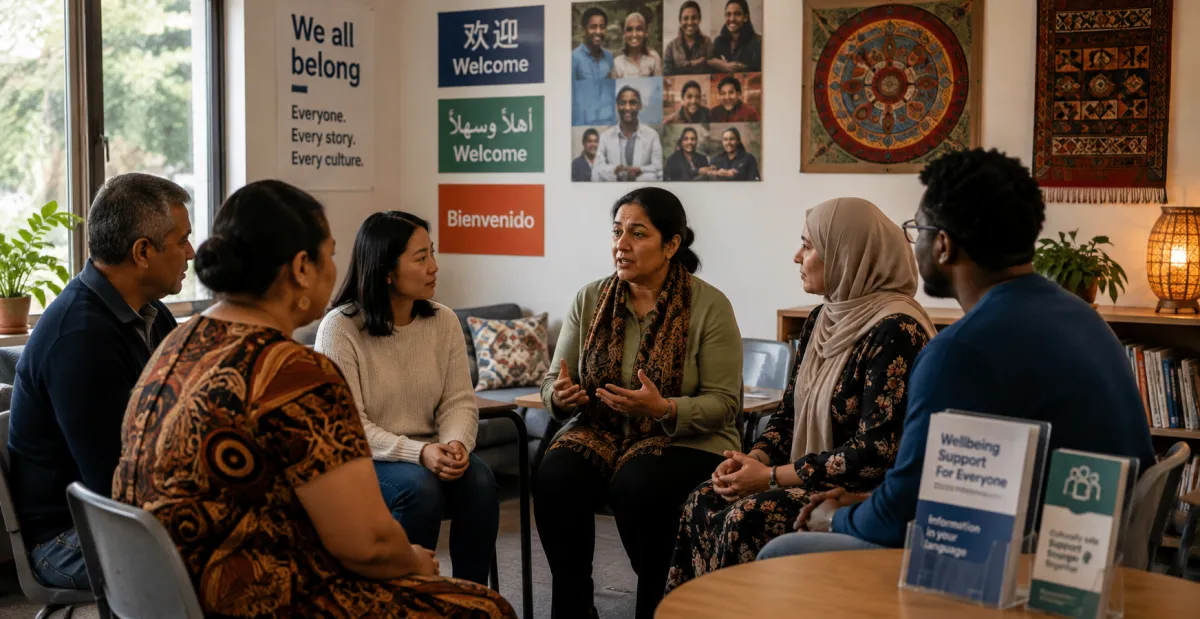
4. Cultural and Language Barriers
Culturally and linguistically diverse community members may face additional barriers, including stigma within their own cultural context, language barriers with mainstream services, and a lack of culturally safe support options.
5. Youth-Specific Barriers
Young people often confide in friends before adults, meaning peers can become de facto first responders without any training or support themselves.
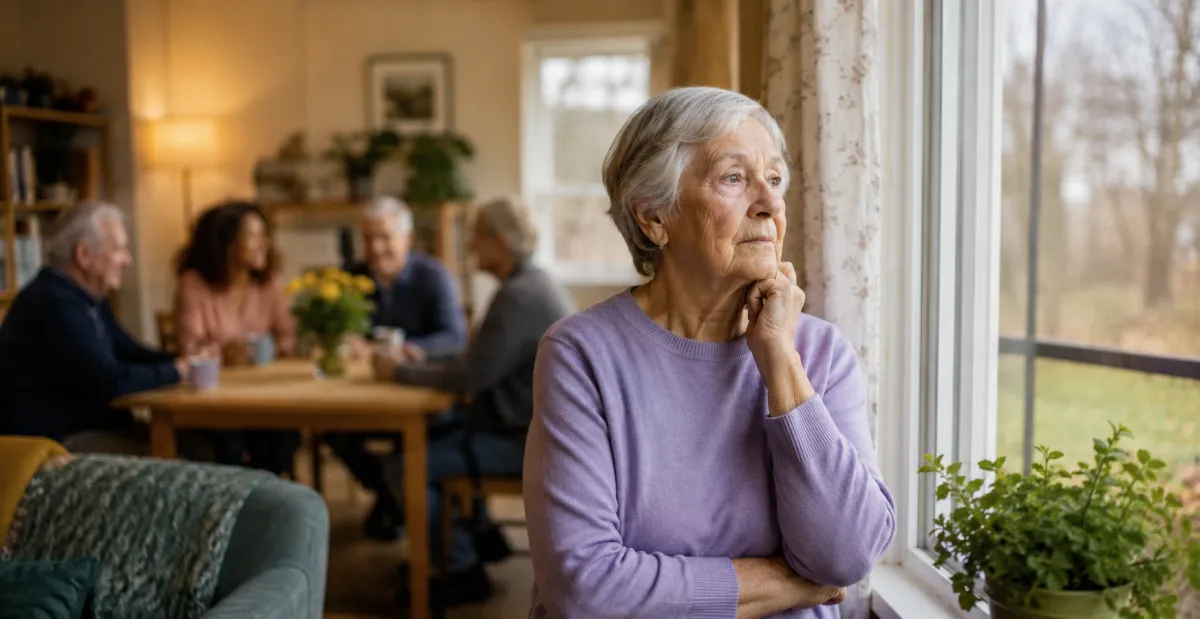
6. Isolation Among Older Adults
Older community members, particularly those living alone or with reduced mobility, can become invisible to a community that is often built around working-age routines.
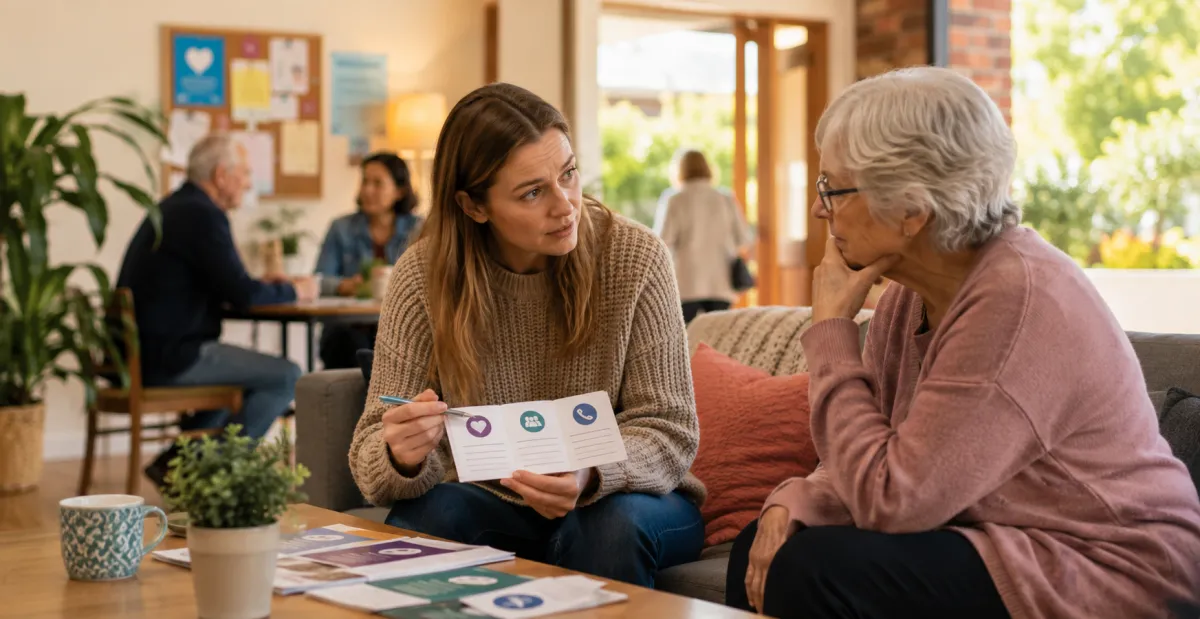
7. No Clear Referral Pathway
Unlike a workplace with an Employee Assistance Program, communities often lack a simple, known next step once someone has opened up.
What Mentally Healthy Communities Do Differently
Mentally healthy communities are not the ones where nobody ever struggles. Every community has people doing it tough.
🤍 They are the communities where people notice change and say something, rather than assuming someone else will.
🤍 They normalise asking "are you okay?" as a genuine question, not a throwaway greeting.
🤍 They know where to point someone, even if it is simply towards a GP or a helpline.
🤍 They treat community mental health literacy as everyone's responsibility, not just a job for professionals.
None of this requires clinical training. It requires people willing to use a simple, practical framework.

Amanda Lambros,
BHSc., PGDipEth ics, MAForensicSexol., MACouns.
Our relationships and the way in which we communicate shouldn't leave us feeling defeated, disconnected, lonely or hopeless.
I am a Canadian living in Australia, turned Australian.... because I met an Aussie and I love love love the warm weather! And yes, there's more to the story! I am best known as the Award-Winning Relationship Entrepreneur, Communication Expert and Author of 4 Best-Selling Books...but how did I get here? Growing up in Ontario, Canada, I had a passion as a kid to help others. Having spent every summer vacation volunteering for organisations from Big Sisters Canada, to Meals on Wheels and the Girl Guides, I can honestly say that I've learned invaluable lessons along the way.
By the age of 19, I had a Bachelor of Health Sciences (BHSc.) and a Post-Graduate Diploma of Ethics...but I knew that that was only the start of my academic journey. I found myself drawn to study a Master of Forensic Sexology (MAForensicSexol) in Perth, Western Australia and rather than returning back to Canada...I fell in love with the country and my now husband.
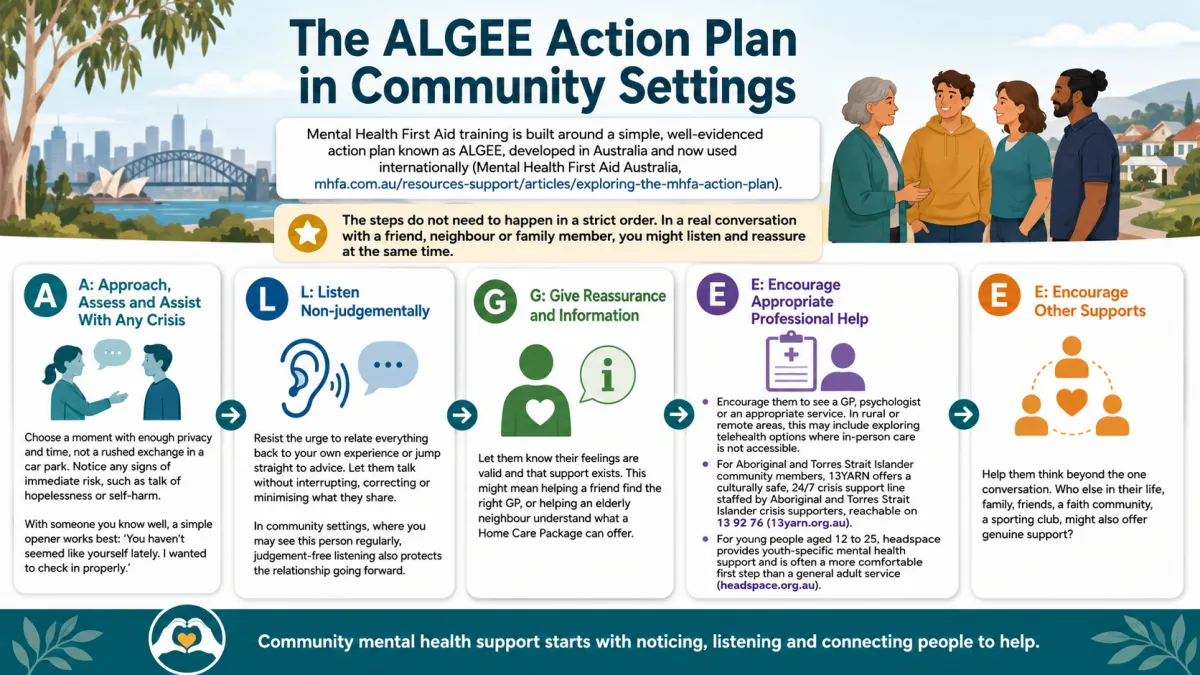
Does this approach actually work? Yes. Multiple randomised controlled trials have found Mental Health First Aid training improves knowledge, confidence and helping behaviour, and reduces stigmatising attitudes, with benefits still measurable six months later (Kitchener and Jorm, 2006, journals.sagepub.com/doi/10.1080/j.1440-1614.2006.01735.x).
Want your team trained properly, not just talked at? Amanda's accredited Mental Health First Aid Training gives your people the confidence and the skills to actually use ALGEE when it matters.
Recognising the Warning Signs
Most people who are struggling do not announce it. They show it, gradually, through change.
Changes worth noticing include:
Withdrawing from colleagues or conversations they used to enjoy
A noticeable drop in the standard or consistency of their work
Increased irritability, tearfulness or uncharacteristic outbursts
Turning up late, leaving early, or increased absenteeism
Appearing exhausted, flat or disengaged, even in usually energising situations
Increased reliance on alcohol or other substances to cope
Talking about feeling hopeless, like a burden, or like there is no way out
The most useful skill here is not diagnosis. It is noticing change from someone's normal, and caring enough to ask about it.
The work that I do allows us to safely explore your deepest fears and biggest longing, creating space and skills to build trust and expand the intimacy in your most important relationships.
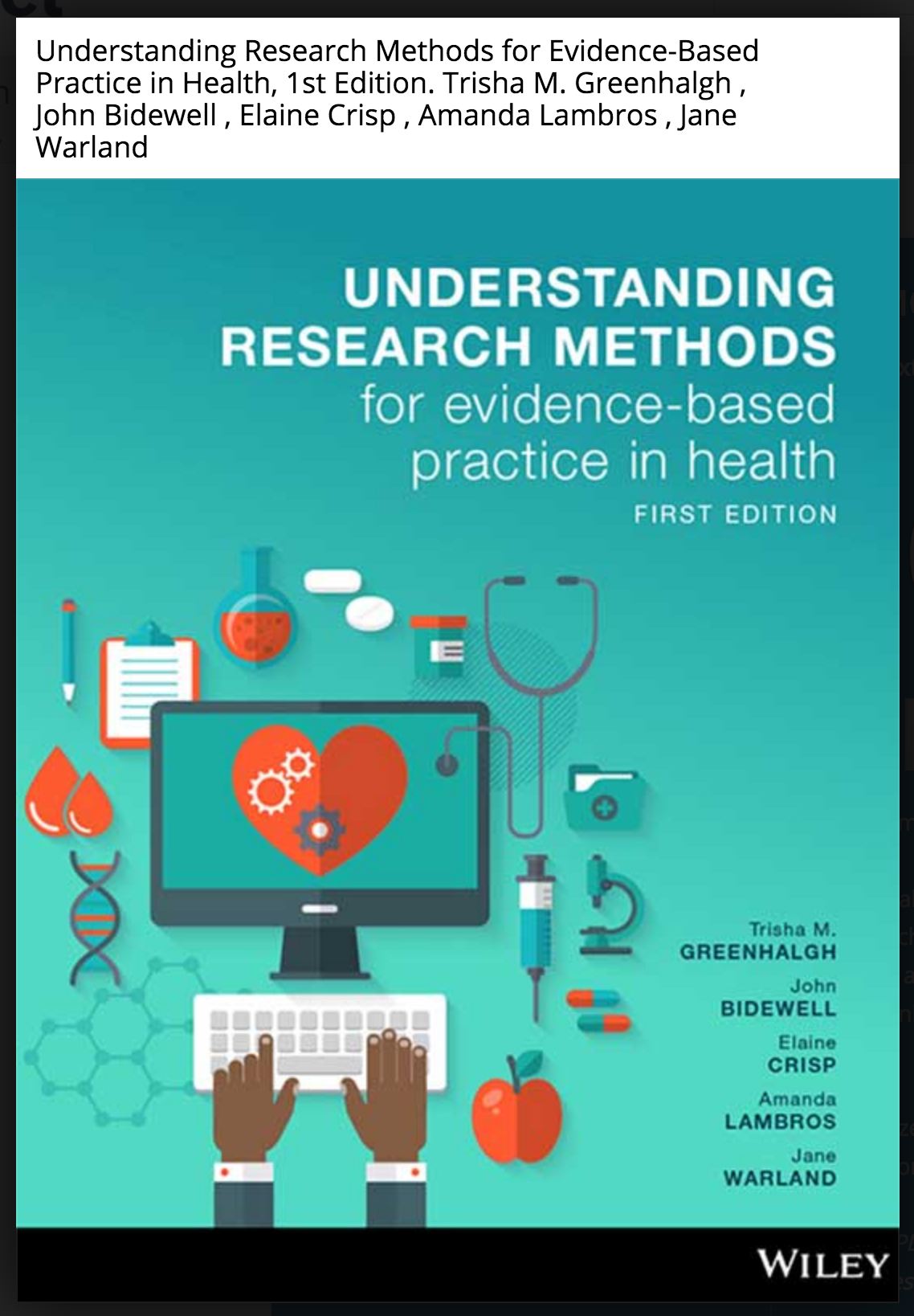
I continued with a Master of Counselling (MACouns.) and dove straight into academia as a researcher, then lecturer, then climbed the ranks as a Unit Coordinator and Program Coordinator for various academic institutions across Australia. One of my fav achievements was writing various academic textbooks...yep, I'm that level of geek!
I'm now a Counsellor & Sexologist specialising in helping people learn to communicate and create their best self and their best relationships.
I do this by helping people develop an understanding of women's issues, healthy relationships, self worth, self-care, personal growth and development, leadership development, living with and on purpose, and life stage transitions.
With more than two decades of counselling and speaking experience, I maintain an active motivational speaking schedule, presenting to groups and organisations such as Rio Tinto, The Stag Shop, Alinta Energy, the Strata Community Association as well as churches, schools and non-profits
I wrote this!
Recognising the Warning Signs in Family, Friends and Community Members
In community settings, you often see people less often than a colleague would, which makes noticing change even more important.
Signs worth paying attention to include:
Withdrawing from social events, clubs or gatherings they used to enjoy
A noticeable change in appearance, energy or how they present themselves
Increased irritability, tearfulness or uncharacteristic behaviour
Talking about feeling hopeless, like a burden, or like there is no way out
Increased reliance on alcohol or other substances
Going quiet online or in group chats after previously being active
Avoiding contact altogether, or giving vague, deflecting answers when asked how they are
The most useful skill is not diagnosis. It is noticing change from someone's normal, and caring enough to ask a second time if the first answer was "I'm fine."
Responding to a Mental Health Crisis in the Community
A crisis moment calls for the same core skills, delivered more directly and calmly.
If you are supporting someone in crisis:
Stay as calm as you can. Your steadiness helps regulate theirs.
Ask directly and gently if they are thinking about harming themselves. Asking does not plant the idea. It opens the door to honesty.
Listen without judgement, and avoid arguing them out of how they feel.
Do not leave them alone if you believe they are at immediate risk.
Remove or limit access to obvious means of harm where it is safe and practical to do so.
Contact emergency services on 000 if there is immediate danger, or support them to contact a crisis line.
Follow up in the days afterwards. A crisis conversation is the beginning of support, not the end of it.
This section is general education, not a replacement for accredited Mental Health First Aid training or professional care. If you or someone you know is struggling right now, Lifeline is available on 13 11 14, Beyond Blue on 1300 22 4636, 13YARN for Aboriginal and Torres Strait Islander support on 13 92 76, and headspace for young people aged 12 to 25 at headspace.org.au. In an emergency, always call 000.
Building Community Capacity
A mentally healthy community is not built by one trained person carrying the load alone.
Communities building genuine capacity tend to focus on:
Training a visible network of Mental Health First Aiders across clubs, schools, faith groups and neighbourhood networks, not just one designated person
Normalising regular check-ins as a community habit, not a crisis response
Making local support pathways, GPs, helplines, community health services, easy to find and widely known
Creating low-pressure, regular opportunities for connection, since isolation is one of the biggest risk factors community members can influence directly
Supporting the supporters, since people who regularly hold space for others need their own support too
This is community mental health literacy in practice: not one hero, but many people who know what to notice and what to do next.
Frequently Asked Questions About Mental Health First Aid in the Community
What is Mental Health First Aid in a community setting?
It is the support offered to someone experiencing a mental health problem or crisis in a non-workplace setting, such as among family, friends, neighbours or community groups, before professional help arrives or until the crisis resolves.
How is community Mental Health First Aid different to workplace Mental Health First Aid?
The core skills are the same, but community settings usually lack formal structures like HR or an Employee Assistance Program, so the first aider needs to know local and informal support pathways instead.
What does ALGEE stand for?
ALGEE stands for Approach, assess and assist with any crisis; Listen non-judgementally; Give reassurance and information; Encourage appropriate professional help; and Encourage other supports.
Do I need formal training to help someone in my community?
No formal qualification is required to notice a change and start a caring conversation, though accredited Mental Health First Aid training builds genuine skill, confidence and knowledge of support pathways.
Why is rural and remote mental health such a significant issue in Australia?
Rural areas have far fewer psychiatrists and psychologists per person than cities, and the suicide rate in rural areas is 66 per cent higher than in major cities, increasing further with remoteness.
Why does loneliness matter so much for community mental health?
Nearly one in three Australian adults report feeling lonely, and people with existing mental health conditions are significantly more likely to experience persistent loneliness, which compounds the original struggle.
What is the community connection paradox?
It describes how Australians are more digitally connected than ever, through social media and messaging, while many people still lack genuine, in-person conversations about how they are really doing.
Where can Aboriginal and Torres Strait Islander community members get culturally safe crisis support?
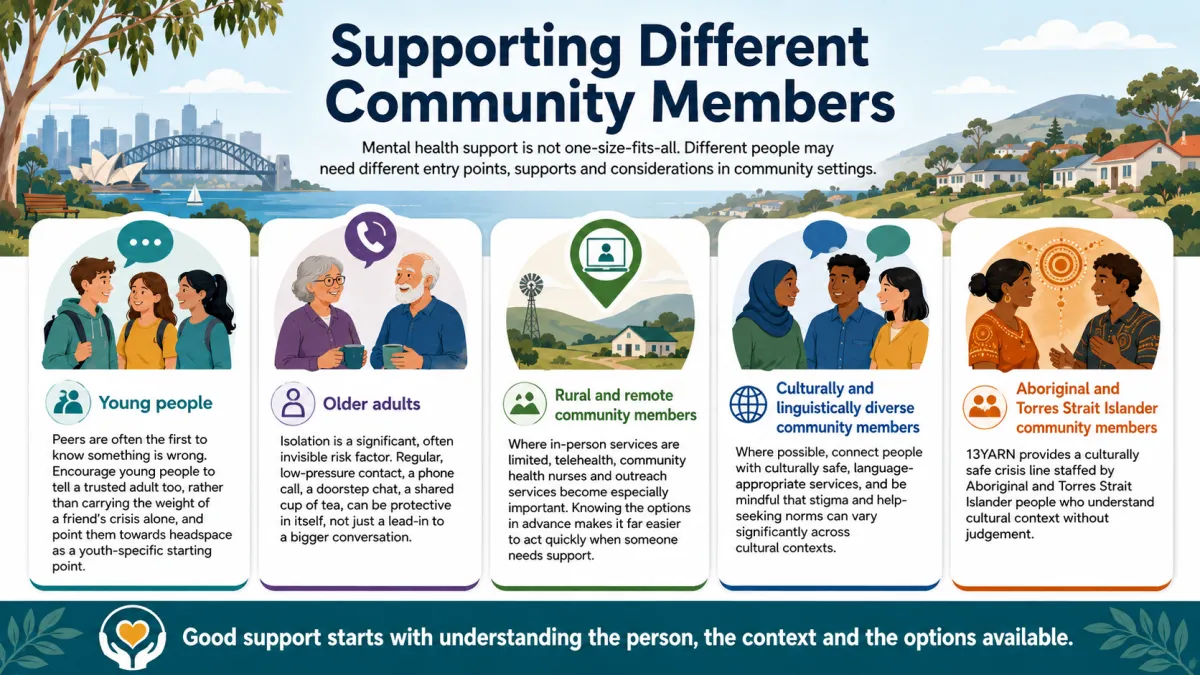
13YARN offers a 24/7 national crisis support line on 13 92 76, staffed by Aboriginal and Torres Strait Islander people.
Where can young people get age-appropriate mental health support?
headspace provides mental health support specifically for young people aged 12 to 25.
Is it safe to ask someone directly if they are thinking about self-harm?
Yes. Asking directly and gently does not increase risk. It opens the door to an honest conversation and shows the person they are not alone.
What should I do if I believe someone in my community is in immediate danger?
Stay with them if safe to do so, contact emergency services on 000, and avoid leaving them alone until further support arrives.
How can I support an isolated older neighbour or relative?
Regular, low-pressure contact such as a phone call or doorstep visit can be genuinely protective, even before a bigger conversation is needed.
What barriers do culturally and linguistically diverse community members face?
Barriers can include stigma within their own cultural context, language difficulties with mainstream services, and a lack of culturally safe support options.
Why do young people often confide in friends rather than adults?
Peer relationships often feel safer and less judgemental to young people, which is why encouraging them to also involve a trusted adult is so important.
What is R U OK? Day?
R U OK? Day is an Australian campaign encouraging people to ask others directly and meaningfully how they are doing, rather than assuming someone else will.
Does Mental Health First Aid training actually work?
Yes. Multiple randomised controlled trials have found it improves knowledge, confidence and helping behaviour, and reduces stigma, with effects still measurable six months later.
What is the biggest barrier to people helping in a community setting?
Often it is hesitation, feeling it is "not my place" to say something, even when genuine concern is present.
How can sporting clubs and community groups build mental health capacity?
By training a visible network of people across the group, not just one designated contact, and by normalising regular check-ins as a habit rather than a crisis response.
What should I say to open a conversation with someone I'm worried about?
A simple, genuine line works well, such as "You haven't seemed like yourself lately. I wanted to check in properly."
Can a text message replace a real conversation about mental health?
Not usually. Digital contact can open the door, but an in-person or voice conversation generally allows for far more genuine connection and support.
What is the difference between supporting someone and being their therapist?
Support means noticing, listening and connecting someone to appropriate help. It does not mean diagnosing, treating or taking on a role you are not trained or resourced for.
How often should I check in on someone I'm concerned about?
Regularly and without waiting for a crisis. A second or third gentle check-in often matters more than the first.
What should happen after someone opens up to me?
Follow up in the days afterwards, help them find an appropriate next step, and let them know you are still there, not just in the moment of disclosure.
Where can someone find immediate crisis support in Australia?
Lifeline is available on 13 11 14, Beyond Blue on 1300 22 4636, 13YARN on 13 92 76 for Aboriginal and Torres Strait Islander people, and headspace for young people aged 12 to 25. In an emergency, always call 000.
Where can I access Mental Health First Aid training for my community group?
You can learn more about Amanda's accredited Mental Health First Aid Training, available for community groups, clubs and organisations, through the workshops page.
About Amanda Lambros
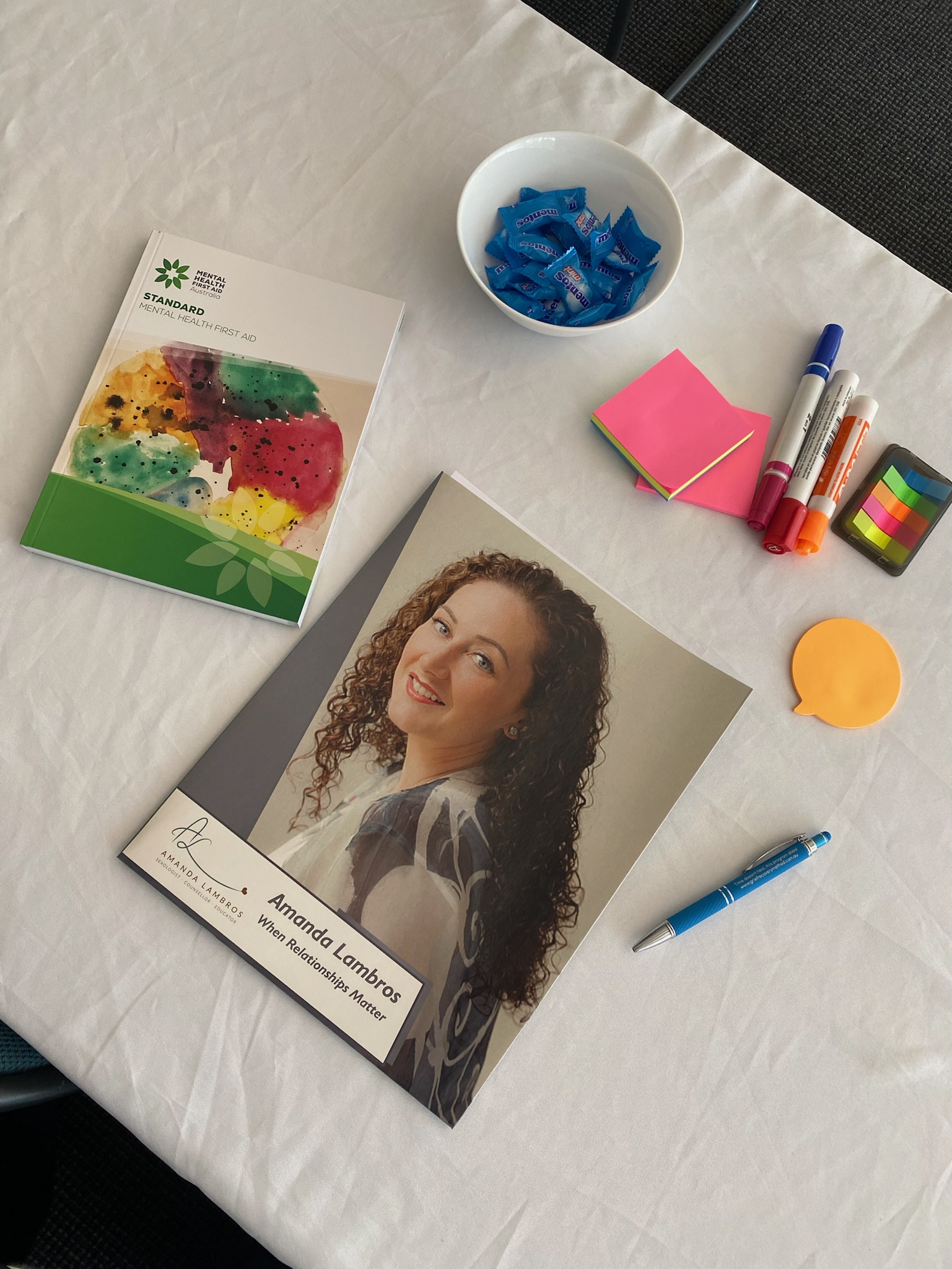
Amanda Lambros is a relationship counsellor, speaker and content creator who has spent more than 25 years helping people build healthier relationships, stronger self-care habits and more confident leadership. She delivers accredited Mental Health First Aid Training for workplaces and community groups.
Learn more or book a session at https://amandalambros.com
Amanda Lambros x
References and Further Reading
Mental Health First Aid Australia, "Exploring the MHFA Action Plan":
https://www.mhfa.com.au/resources-support/articles/exploring-the-mhfa-action-plan
National Rural Health Alliance, "Suicide in Rural and Remote Australia":
https://www.ruralhealth.org.au/wp-content/uploads/2024/05/nrha-rural-suicide-factsheet-july2021.pdf
National Rural Health Alliance, "Mental Health in Rural and Remote Australia":
https://www.ruralhealth.org.au/publication/fact-sheet/mental-health-in-rural-and-remote-australia/
Ending Loneliness Together, "Social Connection in Australia 2023":
https://endingloneliness.com.au/wp-content/uploads/2023/10/ELT_LNA_Report_Digital.pdf
Kitchener, B. A., & Jorm, A. F. (2006). "Mental Health First Aid Training:
Review of Evaluation Studies." Australian and New Zealand Journal of Psychiatry:
https://journals.sagepub.com/doi/10.1080/j.1440-1614.2006.01735.x
13YARN, Aboriginal and Torres Strait Islander Crisis Support Line:
https://www.13yarn.org.au/
headspace, National Youth Mental Health Foundation:
https://headspace.org.au/
A tiny bit more...
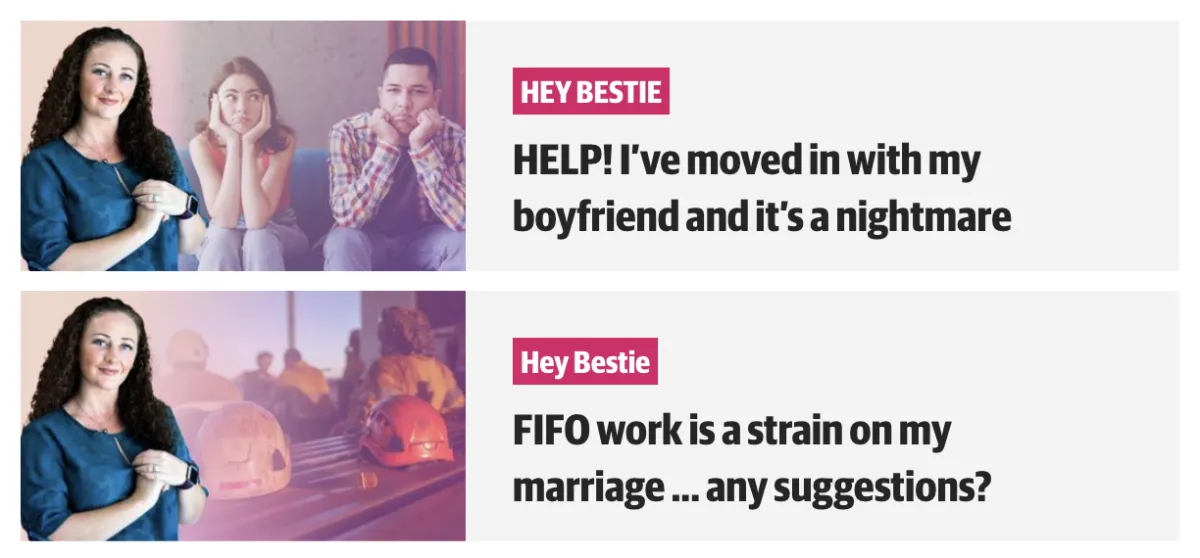
I am a Certified Speaking Professional (CSP), one of the highest designations to achieve for Speakers Globally and I am the Relationship Columnist for PerthNow.com.au
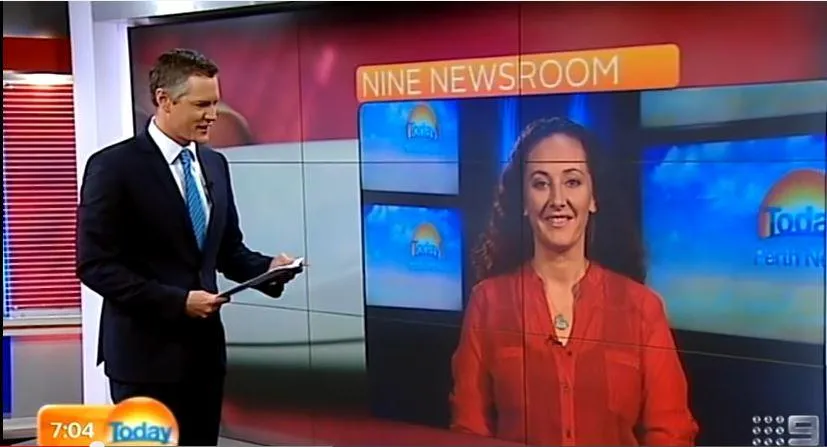
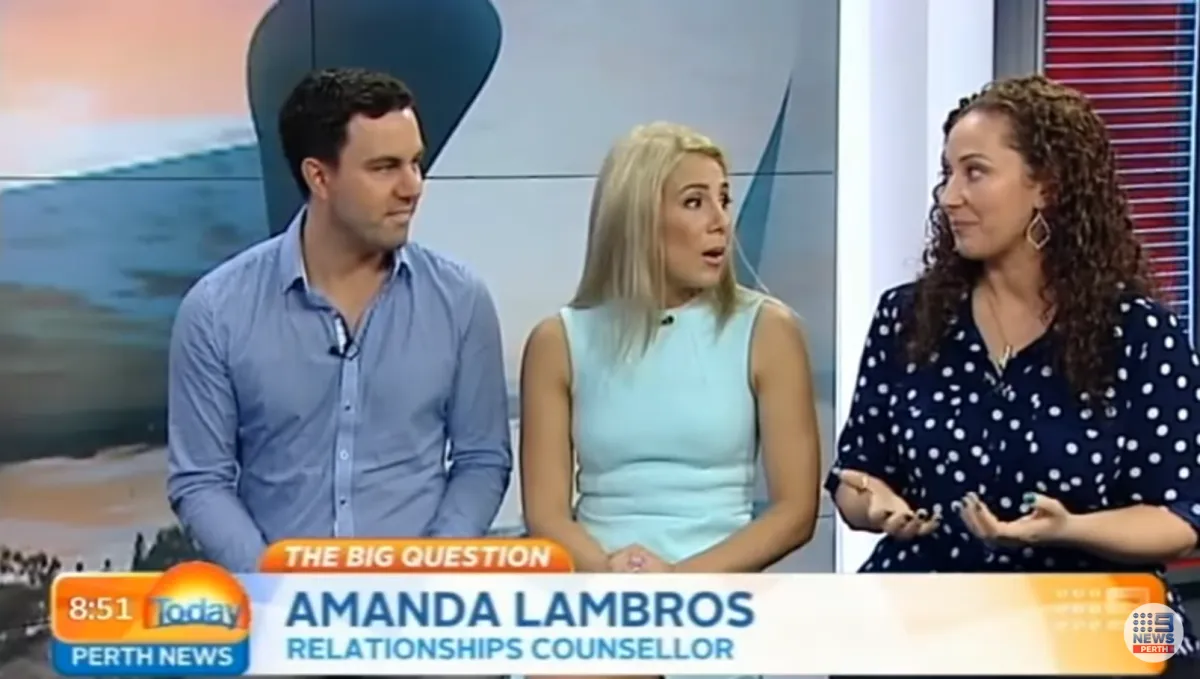
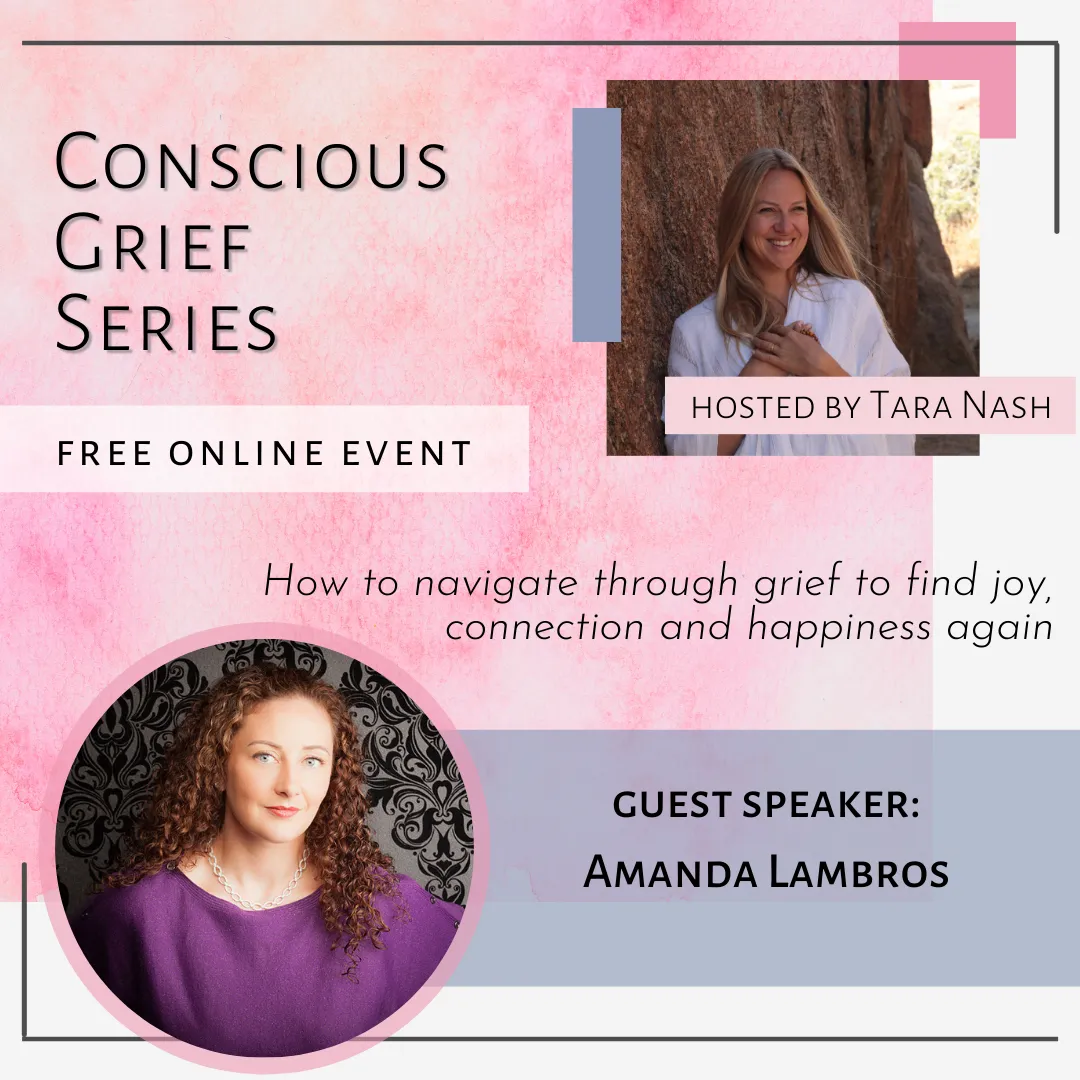
As a result of my success, I've been featured in the TV series Luke Warm Sex, interviewed on Today Show, Mornings, Sky News, ABC Radio, SBS and CBC Radio. I have also been featured in over 100 newspaper and magazines, including the Huffington Post, The Australian, The Courier News and the West Australian in the areas of Mental Health, Relationships, Sexuality, Communication and Grief and Loss.
I also actively train and facilitate various program including Mental Health First Aid.
When I'm not on stage or helping couples learn to communicate, you'll find me with family and friends, my teen boys and hubby...typically eating, enjoying life and each other or watching a docuseries always with a warm cup of coffee.
If you got this far...thanks for reading...I really appreciate it. Feel free to get in touch with me directly if you have any questions or would like to work together.
Amanda x

EDUCATION, CREDENTIALS, AND CERTIFICATIONS
Bachelor of Health Sciences (UWO)
Post Graduate Diploma of Ethics (UWO)
Master of Forensic Sexology (Curtin)
Master of Counselling (UNE)
Certified Speaker Professional (CSP)
Virtual Speaking Professional
Gottman - Level 3 Facilitator
Mental Health First Aid Principle, Master Trainer
Prepare-Enrich Trainer & Facilitator
SYMBIS Facilitator
Grief Recovery Method Director & Trainer
Gottman - Bringing Baby Home Facilitator
Edu-Therapy Grief Facilitator
PROFESSIONAL MEMBERSHIPS AND ASSOCIATIONS
Marriage and Relationship Educators of
Australia Association (MAREAA) - Current PresidentProfessional Speakers Australia (Board Member)
Virtual Speakers Association (International)
American Association for Marriage and Family Therapy (AAMFT)
American Association of Sexuality Educators, Counsellors and Therapists (ASSECT)
The Australian & New Zealand Mental Health Association
Level 4 Member of ACA


LET'S CONNECT:


MENU:
LEGAL:
Copyright 2026. Amanda Lambros Consulting. All Rights Reserved.
LET'S CONNECT
MENU
LEGAL
Copyright 2026. Amanda Lambros Consulting. All Rights Reserved.