
ALL COUNSELLING SESSIONS ARE CURRENTLY BEING HELD ONLINE ON A TEMPORARY BASIS.
Existing Members Sign In Here >
The Complete Guide to Relationship Communication and Repair
By Amanda Lambros
Therapist, Speaker,
Trainer, Author
Hi... I'm Amanda
I'm super excited that you are taking the time to get to know me.
Every couple fights. Every couple misunderstands each other. Every couple has moments where the wrong word lands at the wrong time and the whole evening goes sideways.
That is not the problem.
The problem is what happens next. Whether you know how to find your way back to each other, or whether you quietly drift a little further apart every time it happens.
This guide is about that "what happens next" moment. It covers why communication breaks down, why repair matters more than perfection, what the research actually says about couples who last, and a practical framework you can start using today.
You do not need a perfect relationship. You need a repairable one.
What Is Relationship Communication and Repair?
Relationship communication is how two people share thoughts, needs, feelings and decisions with each other, in a way the other person can actually hear.
Relationship repair is what happens after communication breaks down. It is the words, gestures and small moments that stop a disagreement from turning into distance.
Every long-term couple experiences rupture. Snapping when you are tired. Misreading a text. Forgetting something important. Raising your voice when you meant to stay calm.
Rupture is not the sign of a broken relationship. It is a normal part of two humans living closely together.
What predicts whether a relationship thrives is not how often rupture happens. It is whether repair happens afterwards, and how quickly.
Couples who last are not the couples who never hurt each other. They are the couples who know how to come back together.
Why Communication and Repair Matter More Than People Realise
Most couples think the goal is to stop fighting. That is not quite right, and it is not even realistic.
Dr John Gottman, one of the most cited relationship researchers in the world, found that successful couples are not the ones who avoid conflict or the four negative patterns his research identified. They are the ones who repair well after those patterns show up (Gottman Institute, https://www.gottman.com/blog/r-is-for-repair/)
When communication and repair break down, couples experience:
Arguments that repeat without resolving anything
Slow, quiet withdrawal from each other
Resentment that shows up in small digs and sarcasm
Increased loneliness, even while sharing a home
A growing sense that they are more like housemates than partners
When communication and repair are working, couples experience:
Faster recovery after an argument
More trust during stressful periods
Less resentment building up over time
Greater physical and emotional intimacy
A stronger sense of being on the same team
The Harvard Study of Adult Development, the longest running study on happiness ever conducted, has tracked participants for more than 80 years. Its clearest finding is that the quality of our close relationships, not wealth, fame or career achievement, is the single biggest predictor of long-term happiness and health (robertwaldinger.com/harvard-study). Good relationships were even linked to a longer life and a slower rate of cognitive decline (Harvard Gazette, news.harvard.edu).
This is not a soft, feel-good idea. It is one of the most well-evidenced findings in psychology.
Communication is not a "nice to have" relationship skill. It is one of the biggest predictors of how healthy, how happy and even how long you live.
Why Communication and Repair Matter More Than People Realise
Here is something that trips up almost every couple I work with.
The people we are closest to are often the people we communicate with the worst.
It seems backwards. You would think the person you know best, trust most and love the deepest would be the easiest person to talk to. In reality, closeness raises the emotional stakes.
With a stranger, a disagreement is just a disagreement. With your partner, a disagreement can feel like a referendum on whether you are loved, respected, seen and safe.
This is the closeness paradox. The more you love someone, the harder it can be to stay calm, curious and clear when something goes wrong between you.
It explains why capable, intelligent, emotionally aware people can still find themselves snapping, shutting down or saying things they do not mean, with the one person they would never want to hurt.
Once you understand the closeness paradox, you stop assuming something is wrong with your relationship every time communication gets hard. You start recognising it as a normal, human, fixable pattern.
How Attachment Styles Shape Communication
A lot of couples assume their communication problems are about personality. Often, they are actually about attachment.
Attachment style is the pattern we learned, usually in childhood, for how safe or unsafe closeness feels. It shapes how we behave under stress, long before we consciously choose a response.

Someone with a more anxious attachment pattern tends to seek reassurance, notice distance quickly and worry when a partner pulls away. Under stress, they often become the pursuer.

Someone with a more avoidant attachment pattern tends to value independence, feel overwhelmed by intensity and need space to process. Under stress, they often become the distancer.

Someone with a more secure attachment pattern tends to stay relatively steady under stress, ask for what they need directly and trust that conflict will not end the relationship.
None of these patterns are fixed for life. With awareness and practice, both partners can move towards more secure, steady communication.
Here is why this matters practically. When you understand that your partner's withdrawal is a stress response, not rejection, and your own need for reassurance is a stress response, not neediness, it becomes much easier to respond to each other with compassion instead of frustration.
You are not managing a flaw. You are managing a nervous system. That distinction changes everything about how you repair.
How Our Understanding of Relationship Communication Has Evolved
Older relationship advice focused on avoiding conflict altogether. Do not go to bed angry. Never raise your voice. Keep the peace at all costs.
Modern relationship research tells a different story.
Conflict is not the enemy of a healthy relationship. Unrepaired conflict is.
Couples are no longer taught to avoid disagreement. They are taught to fight fair, stay emotionally regulated, and repair quickly and sincerely.
This shift matters because it takes the pressure off being a "perfect" couple. You are not failing because you argue about money, parenting, in-laws or who forgot to book the appointment.
You are only in trouble if those arguments never resolve, and if resentment quietly builds in the space where repair should have happened.
The Biggest Challenges Couples Face With Communication

1. The Four Horsemen Sneak In
Gottman's research identified four communication patterns that predict relationship breakdown with striking accuracy: criticism, contempt, defensiveness and stonewalling (https://www.gottman.com/blog/the-four-horsemen-recognizing-criticism-contempt-defensiveness-and-stonewalling). Contempt, which includes sarcasm, eye-rolling and mockery, is the single strongest predictor of divorce (gottman.com/blog/this-one-thing-is-the-biggest-predictor-of-divorce).
These patterns rarely arrive as a dramatic blow-up. They creep in through tone, an eye roll, a sigh, a sarcastic comment dressed up as a joke.

2. The Pursuer and the Distancer
One partner wants to talk it through right now. The other needs space before they can talk at all. Researchers call this the demand-withdraw pattern, and it has been studied for more than three decades (Christensen and Heavey, 1990, Journal of Personality and Social Psychology).
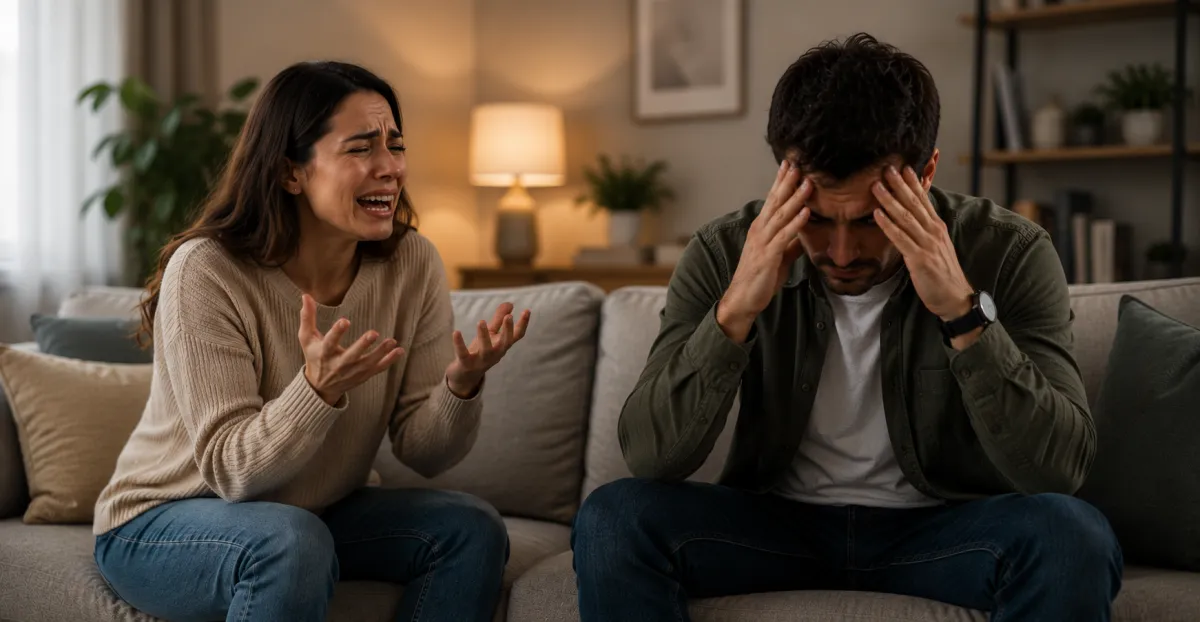
The pursuer chases connection. The distancer protects themselves by pulling away. The more one partner pushes, the more the other retreats, and the more the other retreats, the harder the first one pushes. Neither partner is wrong. They are just running two different nervous system responses to the same moment of stress.
3. Emotional Flooding
When a conversation gets heated, the body can tip into fight, flight or freeze. Heart rate spikes. Rational thought becomes harder to access. This is called flooding, and it is a physiological state, not a character flaw.
Trying to "talk it out" while flooded rarely works. It usually makes things worse.

4. Assuming Instead of Asking
Long-term partners often believe they know exactly what the other person is thinking. Sometimes they are right. Often they are not, and they act on the assumption anyway.
Mind reading feels efficient. It is actually one of the fastest ways to create unnecessary conflict.

5. Resentment Build-Up
Small hurts that never get named do not disappear. They accumulate. A relationship can look calm on the surface while resentment quietly stacks up underneath.
Eventually it leaks out sideways, through sarcasm, withdrawal or a disproportionate reaction to something small.

6. Life Stage Overload
Careers, caregiving, parenting, ageing parents, financial pressure and exhaustion all compete for the same limited emotional bandwidth that communication needs.
It is hard to have a repair conversation at 9pm when you have nothing left in the tank.

7. Avoiding the Real Conversation
Many couples become excellent at discussing logistics and terrible at discussing feelings. The school pickup roster gets negotiated in detail. The loneliness underneath it never gets mentioned.
What Emotionally Intelligent Couples Do Differently
Emotionally intelligent couples are not calmer by accident. They have simply learned a different set of habits.
🤍 They notice rupture early instead of letting it fester.
🤍 They take a break before they say something they cannot take back.
🤍 They ask questions before they draw conclusions.
🤍 They apologise for impact, not just intention.
🤍 They keep making small bids for connection, even during busy or stressful periods.
🤍 They see repair as a skill to practise, not a talent you either have or do not.
🤍 They protect their relationship the way they would protect anything else that mattered to them, with attention, not assumption.
None of this requires a perfect personality. It requires a framework.

Amanda Lambros,
BHSc., PGDipEth ics, MAForensicSexol., MACouns.
Our relationships and the way in which we communicate shouldn't leave us feeling defeated, disconnected, lonely or hopeless.
I am a Canadian living in Australia, turned Australian.... because I met an Aussie and I love love love the warm weather! And yes, there's more to the story! I am best known as the Award-Winning Relationship Entrepreneur, Communication Expert and Author of 4 Best-Selling Books...but how did I get here? Growing up in Ontario, Canada, I had a passion as a kid to help others. Having spent every summer vacation volunteering for organisations from Big Sisters Canada, to Meals on Wheels and the Girl Guides, I can honestly say that I've learned invaluable lessons along the way.
By the age of 19, I had a Bachelor of Health Sciences (BHSc.) and a Post-Graduate Diploma of Ethics...but I knew that that was only the start of my academic journey. I found myself drawn to study a Master of Forensic Sexology (MAForensicSexol) in Perth, Western Australia and rather than returning back to Canada...I fell in love with the country and my now husband.
The R.E.P.A.I.R. Method
High-conflict moments do not need more willpower. They need a process you can follow even when your emotions are loud and your patience is thin.
The R.E.P.A.I.R. Method is a simple six-step approach you can use in the middle of a disagreement, or afterwards, to bring you back to connection.
R: Recognise the Rupture
The first skill is simply noticing that something has shifted, before it snowballs.
Ask yourself:
Has my tone changed?
Has their tone changed?
Am I about to say something sharp, sarcastic or shut down?
Naming the shift out loud, even simply, interrupts the automatic pattern. A line as small as "I think we're starting to snap at each other" can stop an argument before it escalates.

E: Empathise Before You Explain
Once a rupture is noticed, the instinct is to defend yourself. Resist that instinct for just a moment longer.
Before you explain your side, try to understand theirs. Ask:
What might they be feeling right now, underneath the words?
What is this really about, beneath the surface issue?
This does not mean agreeing with everything they say. It means understanding before responding, which almost always changes the tone of what you say next.

P: Pause the Blame Reflex
Blame feels satisfying in the moment and almost never leads anywhere useful. It also tends to trigger defensiveness, which is exactly what escalates conflict.
If you notice your body flooding, heart racing, jaw tightening, thoughts speeding up, it is not weak to pause. It is skilled.
A useful phrase here is: "I want to keep talking about this, and I need twenty minutes first so I don't say something I'll regret."
That is not stonewalling. Stonewalling is shutting down without any intention of returning. A genuine pause always comes with a plan to come back.

I: Initiate Repair
A repair attempt is any word, gesture or action that de-escalates tension before it spirals. Gottman's research found that the success of a relationship depends less on avoiding conflict and more on how well couples make and receive these repair attempts (gottman.com/blog/r-is-for-repair).
Repair attempts can be small. A hand reaching for theirs. A moment of humour. A simple "I'm sorry, that came out harsher than I meant it."
What matters is not how elaborate the repair is. What matters is that one partner offers it, and the other partner lets it land.

R: Rebuild the Ritual
One conversation does not undo months of disconnection, and one repair attempt does not build lasting trust on its own.
What builds lasting trust is a rhythm of small, positive moments. Gottman's research describes a "magic ratio" of roughly five positive interactions for every one negative interaction in stable relationships, and notably, this ratio holds true even during conflict.
Rebuilding the ritual might look like a ten-minute check-in each evening, a standing date night, a habit of a proper hello and goodbye kiss, or a weekly walk without phones. Small, repeated and protected.
Connection is not maintained by grand gestures. It is maintained by rituals you both show up for.

If you recognise yourself and your partner in this pattern, you do not have to work it out alone. Relationship Counselling with Amanda gives you a structured, judgement-free space to break these cycles together.
Repairing After a Bigger Rupture
Not every rupture is a small, everyday misstep. Some are bigger: a broken trust, a hurtful comment that lingers, a pattern that has repeated for years.
Bigger repairs need more than a quick check-in. They need a genuine conversation with a few extra ingredients.
♡ Acknowledge the specific impact, not just the general idea. "I understand I hurt you" is weaker than "I understand that when I dismissed your worry about money, you felt like your concerns don't matter to me."
♡ Avoid the conditional apology. "I'm sorry if you felt hurt" quietly shifts responsibility back onto the other person. "I'm sorry I hurt you" does not.
♡ Ask what repair actually looks like to them. People do not all need the same thing after a rupture. Some need words. Some need time. Some need a change in behaviour they can see and trust over weeks, not just a single conversation.
♡ Expect repair to take longer than the rupture did. Trust is rebuilt in a series of small, consistent moments, not in one well-worded apology.
♡ Get support if the pattern keeps repeating. If the same rupture keeps happening despite genuine effort, that is often a sign the underlying pattern needs outside support to shift, not a sign that you are failing at your relationship.
The work that I do allows us to safely explore your deepest fears and biggest longing, creating space and skills to build trust and expand the intimacy in your most important relationships.
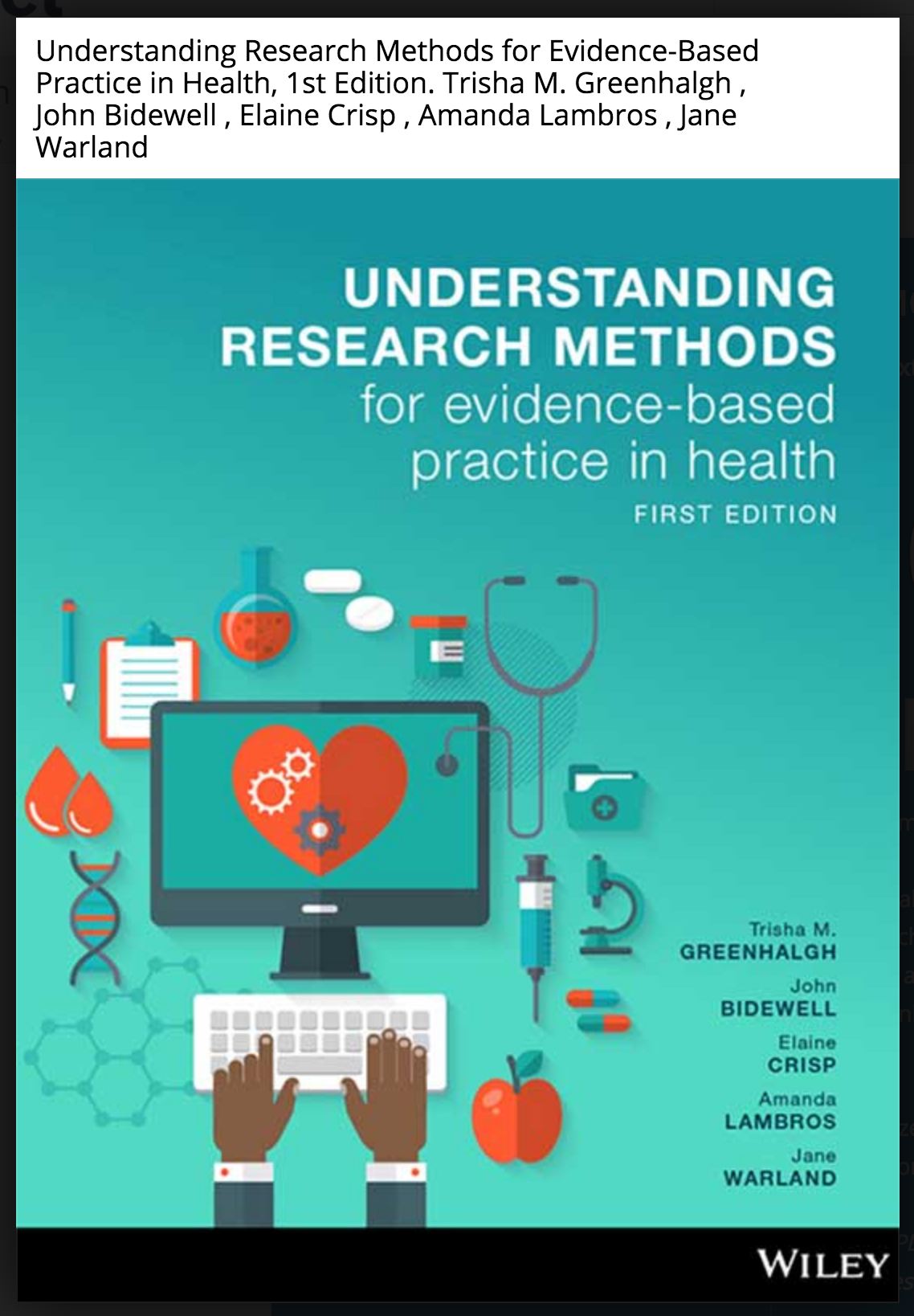
I continued with a Master of Counselling (MACouns.) and dove straight into academia as a researcher, then lecturer, then climbed the ranks as a Unit Coordinator and Program Coordinator for various academic institutions across Australia. One of my fav achievements was writing various academic textbooks...yep, I'm that level of geek!
I'm now a Counsellor & Sexologist specialising in helping people learn to communicate and create their best self and their best relationships.
I do this by helping people develop an understanding of women's issues, healthy relationships, self worth, self-care, personal growth and development, leadership development, living with and on purpose, and life stage transitions.
With more than two decades of counselling and speaking experience, I maintain an active motivational speaking schedule, presenting to groups and organisations such as Rio Tinto, The Stag Shop, Alinta Energy, the Strata Community Association as well as churches, schools and non-profits
I wrote this!
Trust and Emotional Safety
Trust is not a fixed trait some couples have and others do not. It is built, moment by moment, through consistency.
♡ Trust grows through:
Following through on what you say you will do
Being honest even when it is uncomfortable
Responding well when your partner brings you a problem
Keeping confidences
Showing up the same way in private as you do in public
♡ Trust is damaged by:
Saying one thing and doing another
Dismissing or minimising your partner's feelings
Bringing up old mistakes as ammunition in new arguments
Choosing withdrawal over honesty
Public criticism or mockery, even as "just a joke"
Emotional safety is what allows repair to actually work. Without it, a repair attempt can feel too risky to offer or too risky to trust. With it, both partners can be imperfect, human and occasionally wrong, and still feel secure in the relationship.
Signs Your Communication and Repair Skills Are Working
You do not need to wait for a crisis to check in on the health of your communication. Useful signs include:
How quickly you recover after a disagreement
Whether apologies are genuine and specific, rather than rushed just to end the discomfort
Whether both partners feel comfortable raising a concern without fear of an explosive reaction
Whether small rituals of connection are still happening, even in busy seasons
Whether resentment is being named and addressed, rather than quietly stored
Whether you both feel like teammates, even when you disagree
None of these require a perfect scorecard. They require honest, ongoing attention.
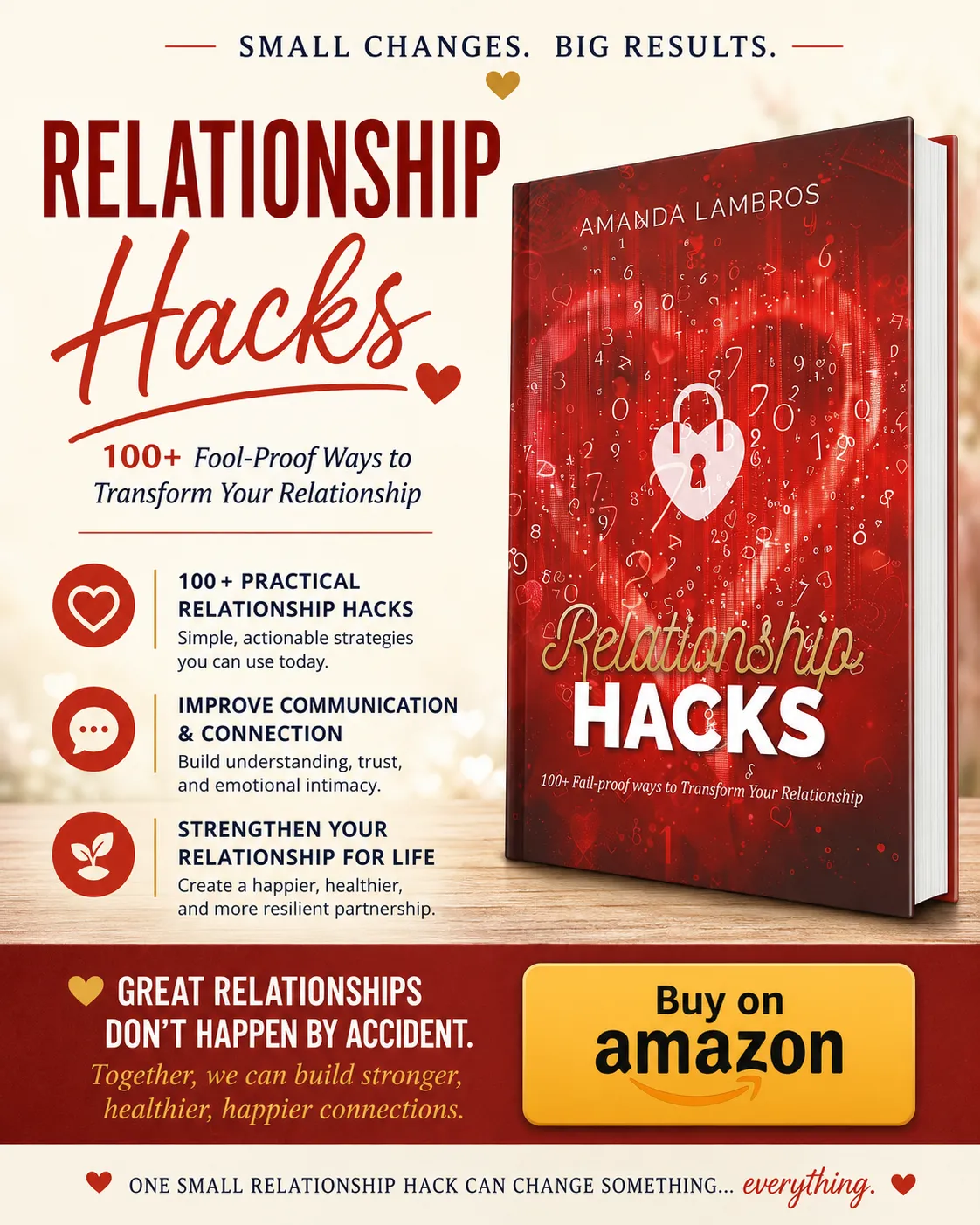
If this book helps even one relationship feel more connected, more understood, or more hopeful, then it’s done its job.
Let’s stop waiting until things fall apart.
Let’s start investing in our relationships while they’re still building.
Building This Into Everyday Life, Not Just Crisis Moments
The R.E.P.A.I.R. Method works best when it is not reserved for emergencies. Couples who build these habits into ordinary life tend to need them far less during genuine crises, because small ruptures rarely get the chance to grow into large ones.
A few practical starting points:
Choose one regular check-in time each week, even ten minutes, to ask each other how you are both really doing.
Agree in advance on a pause phrase you will both honour when a conversation starts to flood.
Practise naming feelings out loud, not just facts and logistics.
Protect one ritual of connection that nothing is allowed to cancel, whether that is a Sunday coffee, a bedtime chat or a weekly date night.
Revisit this guide together every few months. Communication skills, like fitness, need maintenance, not a one-off effort.
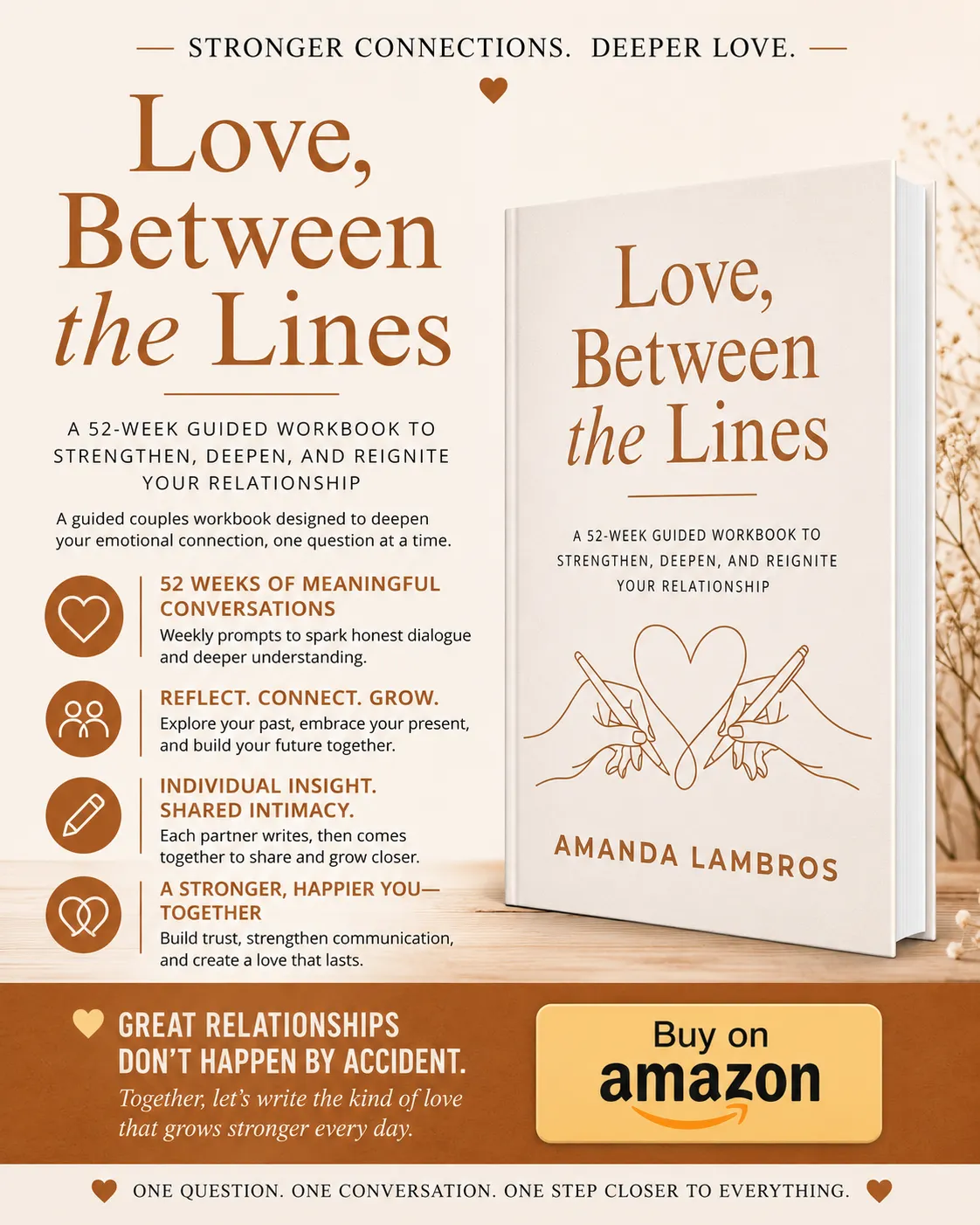
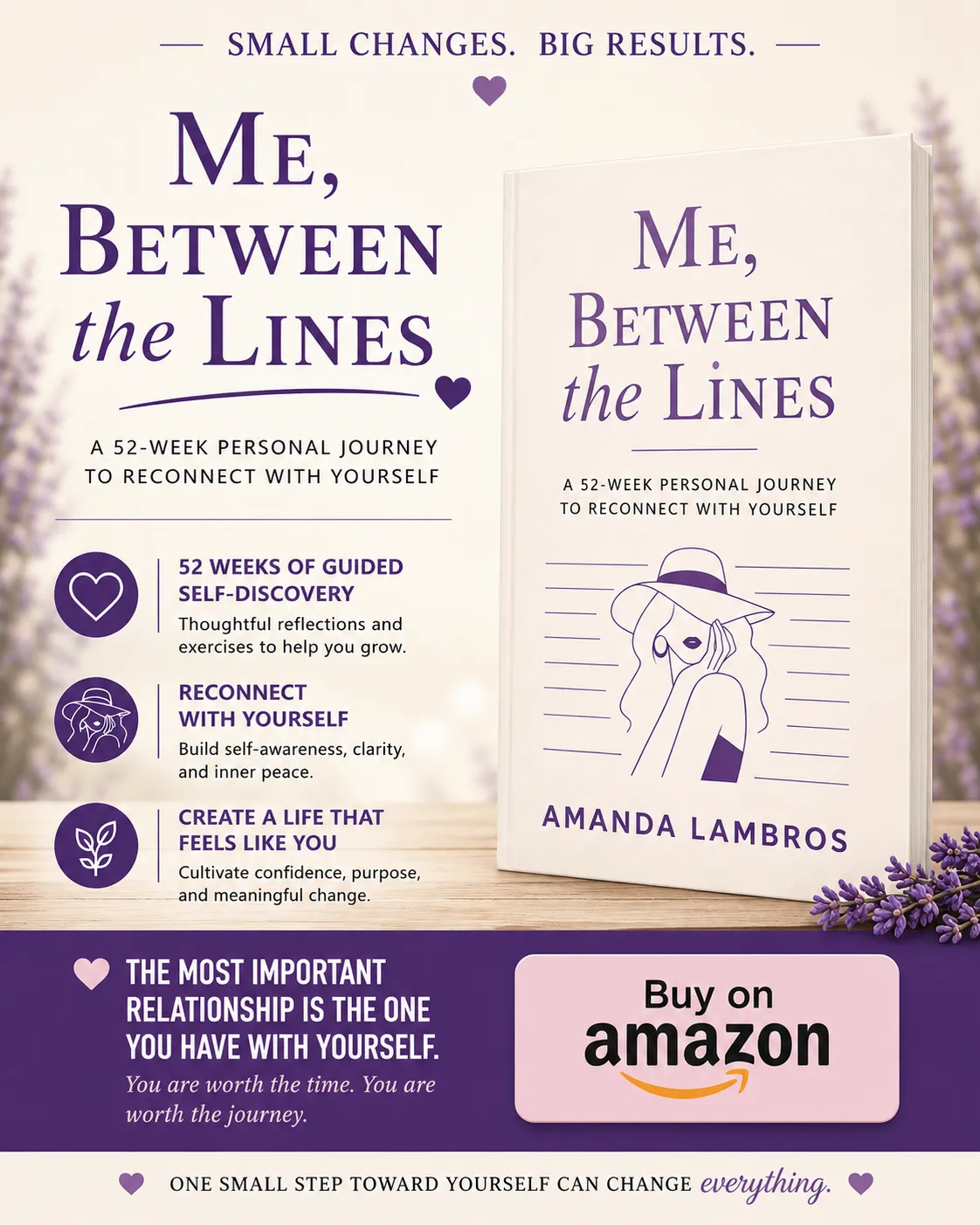
You can also find free tools and worksheets to get started in the
Free Resources Hub: https://amandalambros.com/freebies
Frequently Asked Questions About Relationship Communication and Repair
What is relationship repair?
Relationship repair is the process of reconnecting after a disagreement, misunderstanding or hurtful moment. It includes acknowledging what happened, understanding its impact and taking steps to rebuild trust and closeness.
Why is communication so hard with the person I love most?
Closeness raises the emotional stakes. With a partner, a disagreement can feel like a threat to how loved, respected and safe you feel, which makes calm communication harder, not easier.
What are the Four Horsemen in relationships?
The Four Horsemen are four communication patterns identified by relationship researcher Dr John Gottman that predict relationship breakdown: criticism, contempt, defensiveness and stonewalling.
Which of the Four Horsemen is the most damaging?
Contempt, which includes sarcasm, mockery and eye-rolling, is considered the single strongest predictor of divorce in Gottman's research.
What is a repair attempt?
A repair attempt is any word, gesture or action that helps de-escalate tension during or after a disagreement, such as humour, an apology or a moment of physical affection.
What is the demand-withdraw pattern?
The demand-withdraw pattern happens when one partner pushes to discuss an issue while the other withdraws or avoids the conversation, creating a cycle where pursuit increases withdrawal and withdrawal increases pursuit.
What is emotional flooding?
Emotional flooding is a physiological stress response during conflict, where heart rate rises and rational thinking becomes harder to access. It is a common reason conversations escalate rather than resolve.
Is it okay to take a break during an argument?
Yes. A genuine pause, taken with the intention of returning to the conversation, is a healthy way to prevent flooding from taking over. It is different from stonewalling, which involves shutting down with no intention of re-engaging.
How long should a break during a disagreement last?
Long enough for your body to settle, generally twenty minutes or more, but not so long that the issue is left unresolved for days.
How do you apologise properly after hurting your partner?
A genuine apology names the specific behaviour and its impact, avoids conditional language like "if you felt hurt," and is followed by a consistent change in behaviour over time.
What is the "magic ratio" in relationships?
Gottman's research found that stable couples maintain roughly five positive interactions for every one negative interaction, even during conflict.
Why do couples fight about the same thing over and over?
Repeating arguments are often a sign that the underlying need or hurt was never fully addressed, so the same issue resurfaces in different forms.
A lasting impact on both people and the profession—100 future officers supported while helping tackle a critical skills shortage is an incredible achievement.
Yes, if the conflict is followed by genuine repair. Research shows that successful couples are not conflict-free, they are simply skilled at repairing after conflict happens.
What is resentment and how does it build up?
Resentment is the accumulation of small, unaddressed hurts over time. Left unspoken, it often resurfaces as sarcasm, withdrawal or disproportionate reactions to minor issues.
How do you stop assuming what your partner is thinking?
Replace assumptions with direct questions, such as "What did you mean by that?" or "Help me understand what's going on for you."
What does emotional safety mean in a relationship?
Emotional safety means both partners feel secure enough to be honest, raise concerns and make mistakes without fear of ridicule, punishment or rejection.
How do busy schedules affect communication?
Exhaustion and competing demands reduce the emotional bandwidth needed for meaningful communication, which is why protecting small, consistent rituals of connection matters.
What is a ritual of connection?
A ritual of connection is a small, regular, protected habit, such as a weekly date night or daily check-in, that maintains closeness between partners over time.
Do healthy couples still argue?
Yes. Argument is a normal part of any long-term relationship. What differs in healthy relationships is the speed and sincerity of repair afterwards.
How can I tell if my relationship's communication is actually improving?
Signs include faster recovery after disagreements, more specific and genuine apologies, less resentment and a continued sense of being on the same team.
What should I do if repair attempts keep failing?
Signs include faster recovery after disagreements, more specific and genuine apologies, less resentment and a continued sense of being on the same team.
Is couples counselling only for relationships in crisis?
No. Couples counselling is also highly effective as a preventative tool, helping partners build stronger communication and repair skills before small issues become large ones.
What is the difference between a pause and stonewalling?
A pause is taken with the intention of returning to the conversation once both partners have settled. Stonewalling involves shutting down with no intention of re-engaging.
How does attachment style affect communication?
Attachment patterns can influence whether someone tends to pursue closeness or withdraw under stress, which shapes how conflict typically unfolds between partners.
Can one partner fix a communication problem alone?
One partner changing their own patterns can shift the dynamic significantly, but lasting change usually happens fastest when both partners engage in the process together.
How often should couples check in with each other?
A short, regular check-in, even ten minutes a week, is enough to catch small ruptures early before they accumulate into larger resentment.
What role does humour play in repair?
Humour, used gently and not as a way to dismiss a partner's feelings, is one of the most effective and well-researched repair attempts couples can use.
Why do small arguments sometimes escalate so quickly?
Small arguments escalate quickly when emotional flooding takes over, or when old, unresolved resentment gets triggered by a new, smaller issue.
Does good communication mean never getting frustrated?
No. Good communication means frustration is expressed and repaired constructively, rather than suppressed or expressed through contempt or withdrawal.
Where can I get more support with relationship communication?
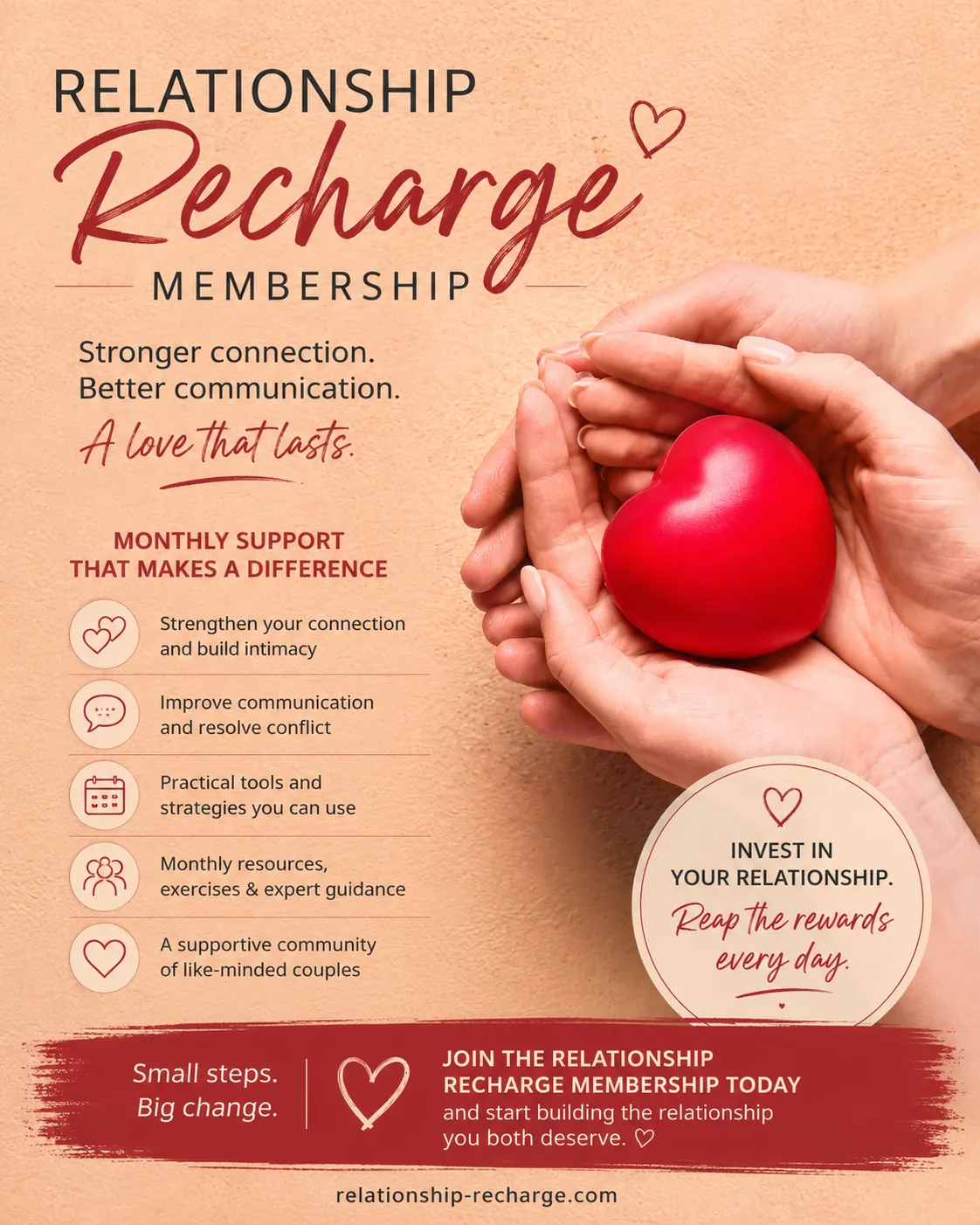
You can book individual or couples counselling, join the Relationship Recharge Membership for ongoing tools and support, or access free guides through the Free Resources Hub.
About Amanda Lambros
Amanda Lambros is a relationship counsellor, speaker and content creator who has spent more than 25 years helping people build healthier relationships, stronger self-care habits and more confident leadership.
Learn more or book a session
Amanda Lambros x

References and Further Reading
Gottman Institute, "R is for Repair":
https://www.gottman.com/blog/r-is-for-repair/
Gottman Institute, "The Four Horsemen: Recognizing Criticism, Contempt, Defensiveness and Stonewalling":
https://www.gottman.com/blog/the-four-horsemen-recognizing-criticism-contempt-defensiveness-and-stonewalling/
Gottman Institute, "This One Thing is the Biggest Predictor of Divorce":
https://www.gottman.com/blog/this-one-thing-is-the-biggest-predictor-of-divorce/
Christensen, A., & Heavey, C. L. (1990). "Gender and Social Structure in the Demand/Withdraw Pattern of Marital Conflict." Journal of Personality and Social Psychology, 59, 73-81.
Robert Waldinger, Harvard Study of Adult Development:
https://www.robertwaldinger.com/harvard-study/
Harvard Gazette, "Over Nearly 80 Years, Harvard Study Has Been Showing How to Live a Healthy and Happy Life": https://news.harvard.edu/gazette/story/2017/04/over-nearly-80-years-harvard-study-has-been-showing-how-to-live-a-healthy-and-happy-life/
Doherty, W. J., et al. (2021). "How Long Do People Wait Before Seeking Couples Therapy? A Research Note." Journal of Marital and Family Therapy: https://pubmed.ncbi.nlm.nih.gov/33411353/
A tiny bit more...
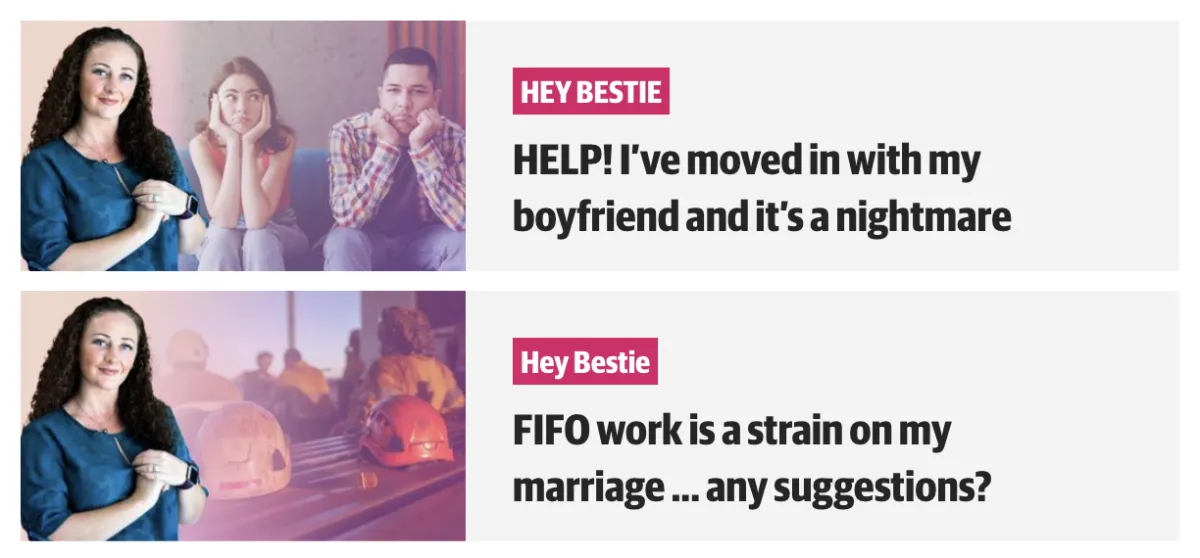
I am a Certified Speaking Professional (CSP), one of the highest designations to achieve for Speakers Globally and I am the Relationship Columnist for PerthNow.com.au
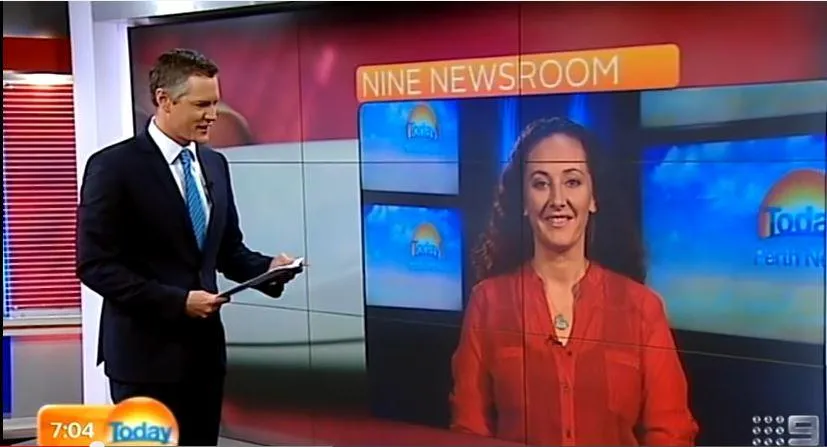
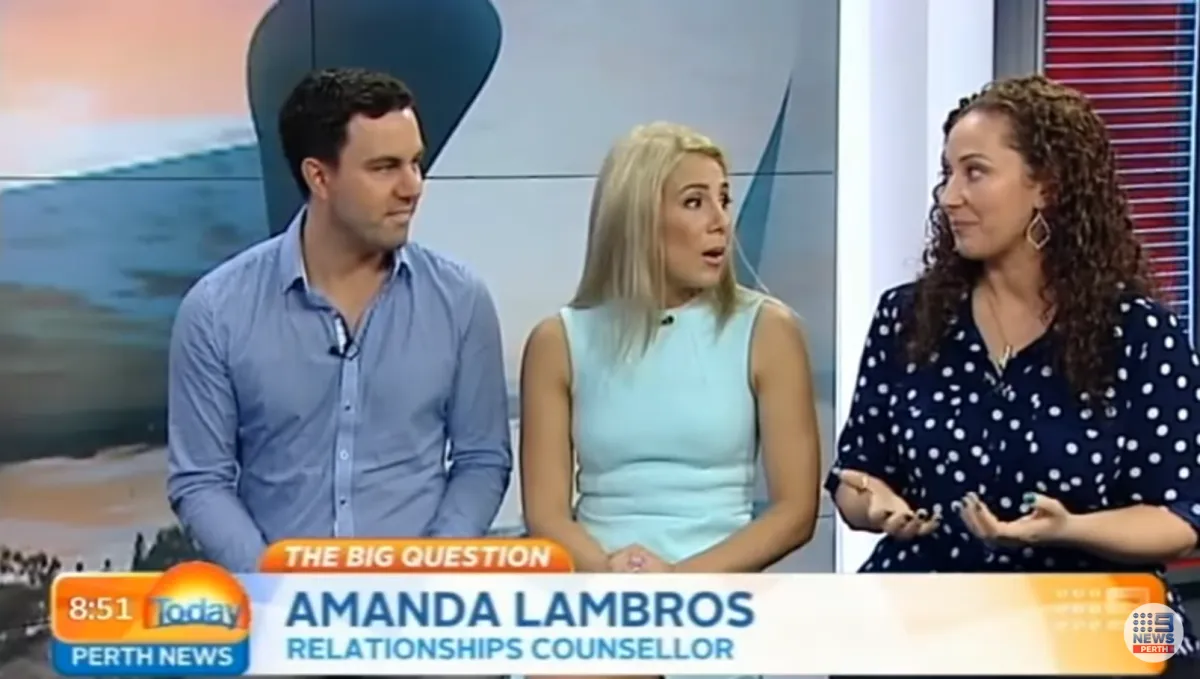
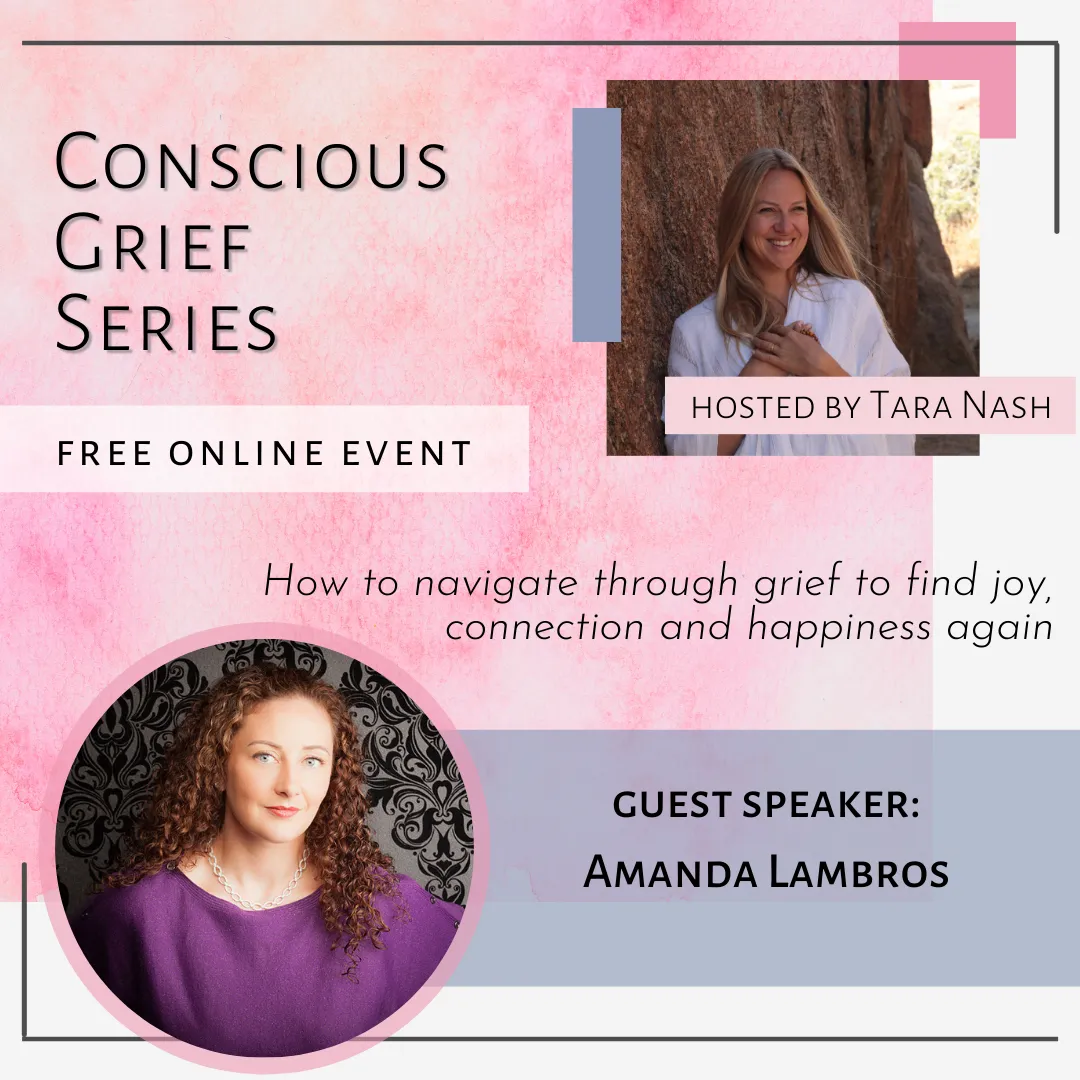
As a result of my success, I've been featured in the TV series Luke Warm Sex, interviewed on Today Show, Mornings, Sky News, ABC Radio, SBS and CBC Radio. I have also been featured in over 100 newspaper and magazines, including the Huffington Post, The Australian, The Courier News and the West Australian in the areas of Mental Health, Relationships, Sexuality, Communication and Grief and Loss.
I also actively train and facilitate various program including Mental Health First Aid.
When I'm not on stage or helping couples learn to communicate, you'll find me with family and friends, my teen boys and hubby...typically eating, enjoying life and each other or watching a docuseries always with a warm cup of coffee.
If you got this far...thanks for reading...I really appreciate it. Feel free to get in touch with me directly if you have any questions or would like to work together.
Amanda x

EDUCATION, CREDENTIALS, AND CERTIFICATIONS
Bachelor of Health Sciences (UWO)
Post Graduate Diploma of Ethics (UWO)
Master of Forensic Sexology (Curtin)
Master of Counselling (UNE)
Certified Speaker Professional (CSP)
Virtual Speaking Professional
Gottman - Level 3 Facilitator
Mental Health First Aid Principle, Master Trainer
Prepare-Enrich Trainer & Facilitator
SYMBIS Facilitator
Grief Recovery Method Director & Trainer
Gottman - Bringing Baby Home Facilitator
Edu-Therapy Grief Facilitator
PROFESSIONAL MEMBERSHIPS AND ASSOCIATIONS
Marriage and Relationship Educators of
Australia Association (MAREAA) - Current PresidentProfessional Speakers Australia (Board Member)
Virtual Speakers Association (International)
American Association for Marriage and Family Therapy (AAMFT)
American Association of Sexuality Educators, Counsellors and Therapists (ASSECT)
The Australian & New Zealand Mental Health Association
Level 4 Member of ACA


LET'S CONNECT:


MENU:
LEGAL:
Copyright 2026. Amanda Lambros Consulting. All Rights Reserved.
LET'S CONNECT
MENU
LEGAL
Copyright 2026. Amanda Lambros Consulting. All Rights Reserved.